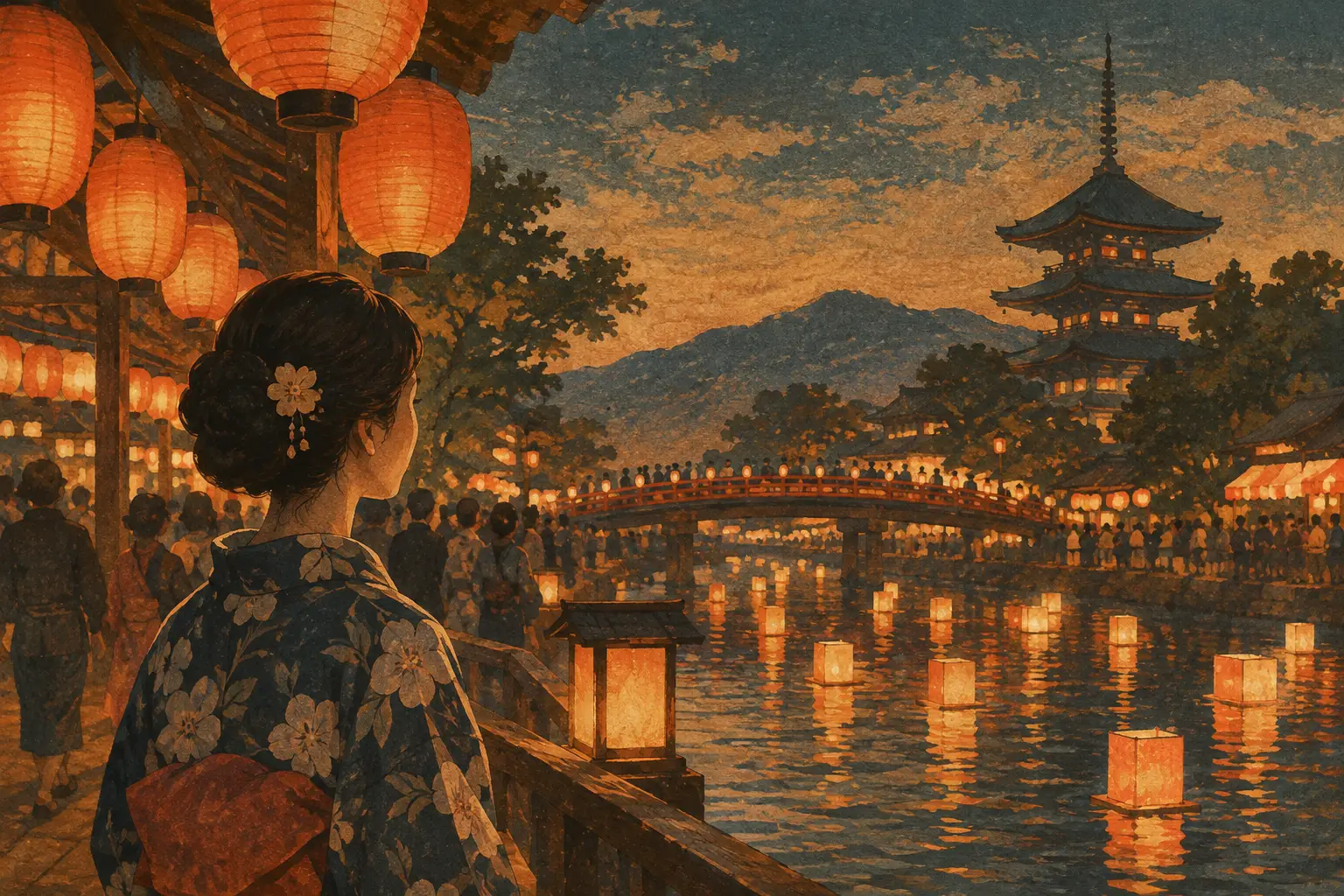
A Japanese lantern festival can begin with something as small as a flame trembling inside paper. Then, as evening deepens, hundreds or thousands of lights gather across a temple path, a riverbank, or a city street. For travelers, it is one of those Japan moments that feels almost unreal – beautiful, yes, but also tied to memory, prayer, and the passing nature of life. This japanese lantern festival guide will help you choose an event, understand what you are seeing, and join the atmosphere with care.
First, Know Which Lantern Festival You Mean
“Lantern festival” covers several very different experiences in Japan. The one you should seek depends on what draws you in: quiet spiritual ritual, neighborhood summer celebration, winter spectacle, or the warm glow of traditional craftsmanship.
Toro nagashi is the image many visitors picture first. Paper lanterns, called toro, are placed on water, often during the Obon season in mid-August. Obon is a Buddhist period for honoring ancestors. In many communities, floating lanterns symbolically guide ancestral spirits back to the other world after their visit home. The mood can be moving and hushed, even when the gathering is large.
Nagasaki Lantern Festival is a different kind of event entirely. Held around Lunar New Year, it fills Nagasaki with brilliantly colored Chinese-style lanterns, massive illuminated displays, performances, and food stalls. Its roots are in the city’s Chinese community, so it is a wonderful choice for travelers interested in the cultural connections that shaped Japan’s port cities.
You may also encounter local shrine festivals where chochin lanterns line a street or hang beneath the eaves of a shrine. These are often part of matsuri celebrations rather than a standalone lantern festival. They can be less famous, but that is sometimes the appeal: you are sharing an evening with a local community instead of checking off a major tourist event.
The Meaning Behind the Light
Lanterns in Japan are not just decorative. At temples and shrines, they can mark a sacred approach, offer light to the divine, or honor those who came before. Stone lanterns are common in temple gardens, while delicate paper chochin lanterns appear at festivals, restaurant entrances, and seasonal events.
During toro nagashi, the emotional center is remembrance. Visitors do not need to share a Buddhist faith to appreciate the ceremony, but they should recognize that it may be personal for the families around them. A floating lantern can carry a name, a prayer, or a message for someone who has died.
This is where the Japanese idea of mono no aware can help. It describes the gentle awareness that beautiful things do not last. A lantern drifting out of sight is lovely precisely because the moment cannot be held. If you arrive looking only for a dramatic photo, you may miss what makes the experience matter.
Where to Go for a Japanese Lantern Festival
For a major city event, Nagasaki Lantern Festival is one of the easiest choices to plan around. It usually takes place between late January and mid-February, following the Lunar New Year calendar. Central Nagasaki neighborhoods become an open-air display of red lanterns and elaborate illuminated figures. Expect crowds, a festive energy, and plenty of regional food.
For a more reflective summer experience, research toro nagashi events in the city or region you will already be visiting. Kyoto, Hiroshima, Tokyo, and many smaller towns host lantern-related Obon events, but the date, access, and level of formality vary widely. Hiroshima’s Peace Memorial Ceremony on August 6 includes floating lanterns on the Motoyasu River, though it is above all a day of remembrance. Treat it with the seriousness it deserves.
Kyoto is especially rewarding for travelers who love traditional atmosphere. The city has numerous Obon observances, temple events, and lantern-lit evenings in summer. Its famous Gozan Okuribi bonfires are not a lantern festival, but they are connected to Obon’s farewell rituals and can make a memorable companion experience.
Smaller places can offer the most intimate moments. Search for events near rivers, lakes, coastal towns, and temple districts during July and August. A rural festival may have limited English information and fewer transportation options, so it works best for travelers comfortable with flexible plans and basic Japanese phrases.
Check Dates Before You Build a Trip Around One Event
Festival dates can shift because of weather, local scheduling, the lunar calendar, or post-disaster safety decisions. Some lantern releases are canceled in strong wind or rain, while others may be restricted to residents or require advance registration. Confirm details close to your travel date through official local notices, your hotel, or a tourism desk.
Also check whether the event uses real flame, LEDs, or both. Modern safety rules and environmental concerns have changed some traditions. An LED lantern can still be beautiful, and choosing one does not make the experience less meaningful.
How to Participate Respectfully
At a lively street festival, relax, eat, enjoy the performances, and follow the crowd. At a memorial-oriented toro nagashi, slow down. Watch how local participants behave before stepping forward with a camera.
If lanterns are available for purchase or dedication, follow the instructions provided. You may be able to write a name or short message on the lantern. Keep it thoughtful and simple. This is not the place for jokes, oversized branding, or messages designed for social media.
Photography is usually welcome in public areas, but restraint goes a long way. Do not block a temple entrance, lean over participants as they release lanterns, or use a drone. Turn off flash near the water, especially when people are in prayer or when the event depends on low light. A few careful photos are better than trying to document every second.
Wear comfortable shoes and bring a light layer for summer evenings. Mosquito repellent is useful near rivers. In crowded city events, keep your bag close and arrive early enough to find your bearings before sunset. Japan’s summer humidity is real, so carry water and give yourself time to cool down.
What to Wear and What to Bring
You do not need a kimono to attend a lantern festival. Comfortable, neat clothing is perfectly appropriate. If you have always wanted to wear a yukata, a casual summer kimono, a festival evening can be a lovely occasion. Rent one from a reputable shop, and remember that wooden geta sandals can be difficult on long walks or uneven river paths.
Bring cash in small bills and coins for food stalls, temple donations, and lantern fees. Many festival vendors still operate primarily in cash. A portable phone battery, a small hand towel, and a reusable water bottle are practical additions. Leave large tripods at your accommodation unless the organizer specifically allows them.
For photos, lower your expectations of technical perfection. Lantern light is dim, people move, and your phone may struggle. Embrace a little softness and grain. It can suit the wabi sabi character of the evening: imperfect, temporary, and deeply human.
Make the Evening More Than a Photo Stop
The best lantern festival visits have room for wandering. Arrive before dark and notice the change as ordinary streets become pools of warm light. Try a seasonal snack from a stall. Listen for taiko drums, festival announcements, or the quiet sound of water against the shore.
If you are attending a temple event, spend a few minutes learning its name and history beforehand. Knowing whether you are at a Buddhist temple or a Shinto shrine changes how you understand the setting. At a shrine, you may see torii gates and worshippers bowing before the main hall. At a temple, you may notice incense, bells, and images connected to Buddhist practice.
You do not need to perform rituals you do not understand. Observing respectfully is enough. If you wish to make an offering, follow posted guidance or copy the calm actions of those ahead of you without rushing.
A Better Way to Remember the Lights
A Japanese lantern festival is not a stage set built for visitors. It is often a living tradition shaped by neighborhood volunteers, families, religious communities, and people honoring someone they miss. Join with curiosity, leave space for the people for whom the night carries personal meaning, and let one unhurried moment stay with you long after the last lantern disappears.