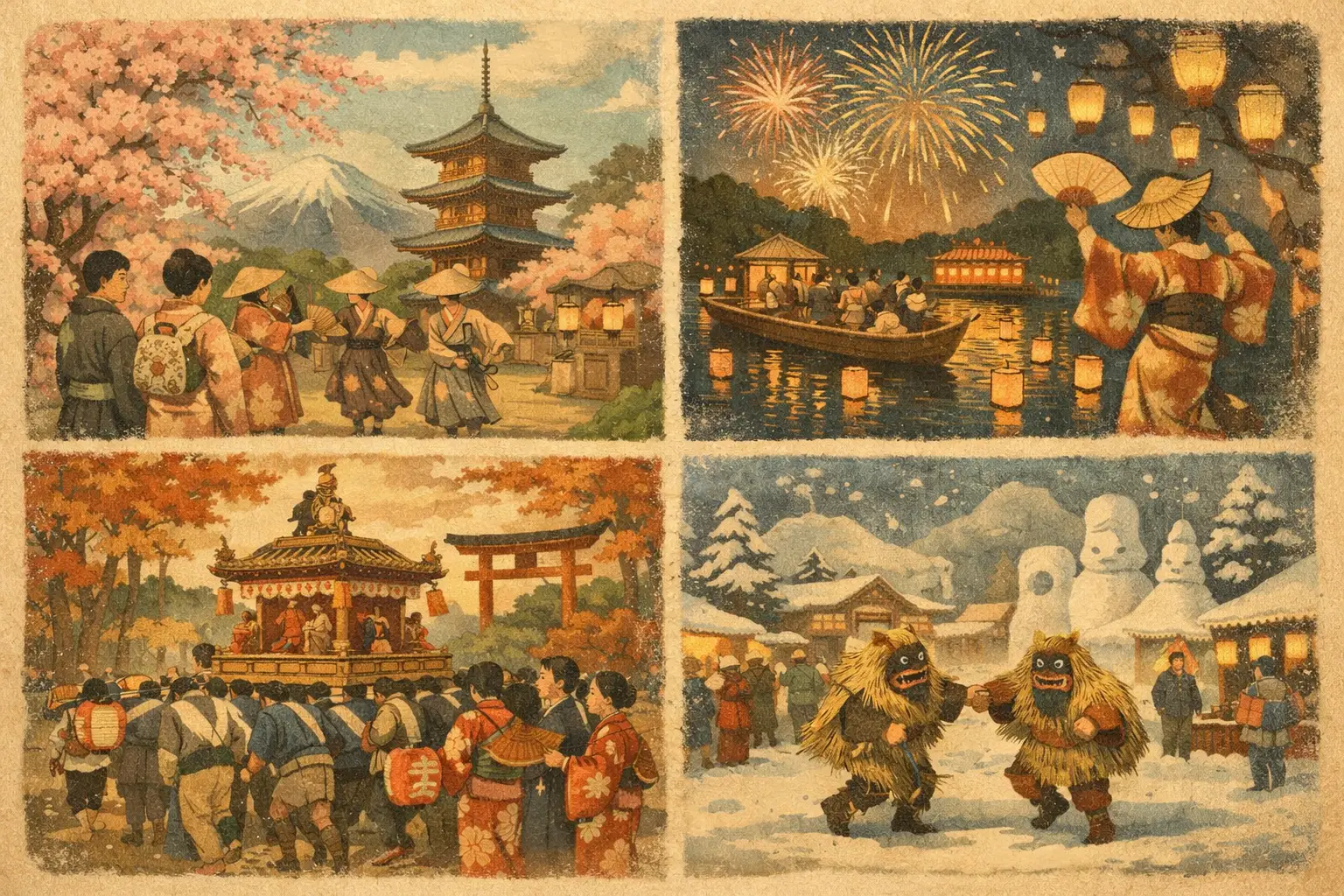
Cherry blossoms get the headlines, but anyone who has timed a Japan trip around a real matsuri knows the deeper thrill. The japan festival calendar 2026 is less about checking off famous names and more about choosing the kind of atmosphere you want – lantern-lit shrine grounds, snow and fire, river processions, summer dance circles, or that brief mono no aware feeling when a season is already slipping away.
For all Japan lovers worldwide, this is where travel planning gets fun. Japan does not have one festival season. It has many, and each region expresses them differently through shrine ritual, neighborhood pride, food stalls, craft traditions, music, and local history. The smart way to use a festival calendar is not to chase everything. It is to match your route, budget, and crowd tolerance to the festivals that fit you best.
How to use the japan festival calendar 2026
A festival calendar looks simple on paper, but dates can shift. Some matsuri happen on fixed calendar days, some land on specific weekends, and some announce final details closer to the event. If you are booking flights months ahead, use the calendar as a planning frame, then confirm exact schedules with official local sources before you lock in trains and hotels.
The other big factor is scale. A major event in Kyoto or Tokyo can be unforgettable, but it can also mean sold-out rooms, crowded stations, and long waits for a good viewing spot. Smaller regional festivals often give you a more intimate experience of local culture. If you love shrines, traditional crafts, old streets, and the feeling of being part of a community celebration rather than standing outside it, regional matsuri can be the better choice.
Winter festivals in Japan 2026
Winter is one of the most underrated times for festival travel in Japan. The scenery is dramatic, the air feels sharper, and many events have a ritual intensity that summer festivals do not. If you are drawn to onsen towns, temple visits, and quiet landscapes, this season can feel especially rich.
In early February, the Sapporo Snow Festival is usually the first event international travelers look for. It is huge, photogenic, and easy to pair with a Hokkaido winter trip. The trade-off is obvious – lots of visitors, higher prices, and a more spectacle-driven atmosphere. If you want artistry on a grand scale, it delivers. If you want something more rooted in shrine custom, you may prefer other winter events.
Setsubun festivals around February 3 are another strong option, especially at temples and shrines in Kyoto, Nara, and Osaka. These celebrations mark the seasonal turning point with bean-throwing rituals meant to drive out bad fortune. They feel festive, but they also carry real spiritual texture. For travelers who enjoy Japanese religious culture rather than only street entertainment, Setsubun can be a rewarding fit.
Late winter also brings fire festivals in several regions. Depending on your route, these can be some of the most memorable events in the entire japan festival calendar 2026. Fire against cold night air has a raw beauty that feels close to wabi sabi – elemental, imperfect, and alive for a brief moment.
Spring matsuri worth planning around
Spring in Japan is crowded for a reason. Plum blossoms, cherry blossoms, and fresh green landscapes create a natural backdrop that makes almost any festival feel cinematic. But spring travel works best when you decide whether flowers or matsuri are your first priority. Trying to do both at peak dates can make your itinerary expensive and exhausting.
Kyoto and Nara are especially appealing in spring because festival experiences blend so naturally with temples, gardens, and old neighborhoods. In mid-May, Kyoto’s Aoi Matsuri is one of the classic examples. Its courtly procession has a very different feel from louder summer matsuri. It is elegant, historical, and ideal for travelers who are fascinated by Heian-era aesthetics, kimono, and ceremonial culture.
In April, Takayama Festival is often high on the list for good reason. The floats are exquisite, and the town itself already feels like a preserved slice of old Japan. If your love of Japan includes woodcraft, festival carts, and mountain-town atmosphere, Takayama offers a lot. It can get crowded, though, so book early and expect limited availability.
Spring is also a good time to leave famous cities and look for regional shrine festivals. Smaller towns often host events tied to planting season, local deities, or community renewal. These may not dominate social media, but they can become the moments you remember most – a local procession passing through a street of wooden houses, children in festival dress, or taiko echoing across a river at dusk.
Summer in the japan festival calendar 2026
Summer is the season most people imagine when they hear the word matsuri. Lanterns, yukata, bon odori dancing, portable shrines, fireworks, and packed food stalls are everywhere from June through August. It is exciting, but it is also hot, humid, and physically demanding. If you are sensitive to heat, build in rest, hydration, and flexible daytime plans.
Kyoto’s Gion Matsuri in July is one of Japan’s most famous festivals and deservedly so. The floats are magnificent, and the city seems to move into festival mode for the whole month. This is a fantastic choice if you want a major cultural event layered into one of Japan’s most historic cities. It is less ideal if you are hoping for calm temple visits or low-key evenings in central Kyoto during that period.
Osaka’s Tenjin Matsuri later in July brings a different energy, with river processions and fireworks adding to the intensity. It suits travelers who enjoy urban festivals with scale and movement. If your style leans more contemplative, you might prefer summer events in smaller castle towns or coastal communities.
August brings Nebuta Matsuri in Aomori, famous for its illuminated floats, and Awa Odori in Tokushima, known for joyful dance performances that pull spectators into the rhythm. Both are strong choices, but they offer different moods. Nebuta is visually dramatic and bold. Awa Odori feels more participatory and communal. It depends on whether you want to watch in awe or move with the crowd.
Summer is also the best season for local bon odori. These neighborhood dance festivals may not make every international top-ten list, yet they often provide the warmest sense of belonging. For travelers who want to feel close to everyday Japanese life rather than only headline events, this is where the heart of summer can be found.
Fall festivals and harvest season
Autumn may be the most balanced season in the japan festival calendar 2026. The weather is usually easier, the light is beautiful, and there is a sense of maturity to many fall festivals. Summer has excitement. Autumn has depth.
Kyoto’s Jidai Matsuri in October is a good example of a procession-based event that appeals to history lovers. Costumes from different eras create a moving timeline of the city. If you are interested in historical Japan, traditional dress, and visual storytelling, this festival is especially satisfying.
October is also when many shrine festivals linked to harvest and thanksgiving take place across the country. These events often feel deeply local. They may feature portable shrines, kagura performances, or community gatherings that do not seem designed for outsiders at all, which is part of their charm. Respectful visitors who arrive with curiosity usually find these experiences more meaningful than overly staged attractions.
In some areas, autumn festival travel pairs beautifully with craft culture. A regional matsuri can sit alongside visits to pottery towns, old merchant districts, lacquer workshops, or sake breweries. If your idea of Japan includes chochin lanterns, calligraphy tools, textiles, and handmade objects, fall is a great season to combine festivals with artisan-focused travel.
Picking the right festivals for your trip
The best calendar is not the one with the most famous festivals. It is the one that matches your route and your temperament. If this is your first trip and you want iconic moments, Kyoto, Osaka, Takayama, and perhaps Aomori make sense. If you have been to Japan before, 2026 could be the year to build an itinerary around one or two lesser-known regional matsuri instead.
Think about pacing, too. A festival day is rarely a light day. Streets get crowded, transport can be slower, and standing for long periods is common. Pair festival days with gentler plans – a garden, an onsen, a temple town, or a quiet museum. That contrast keeps the trip enjoyable.
And remember that the festival itself is only part of the experience. The train ride into a small town, the seasonal sweets sold at a station, the sound of taiko before you even see the shrine, the glow of paper lanterns after sunset – this is where Japan often leaves its deepest impression. At Crazy for Japan, that is the part we love most: not just seeing an event, but feeling for a moment that you have stepped inside a living tradition.
If you are planning from abroad, start with one anchor festival, then let the rest of your trip grow around it. Japan rewards that kind of travel. Leave space for a little surprise, and the 2026 festival season may give you the memory you talk about for years.