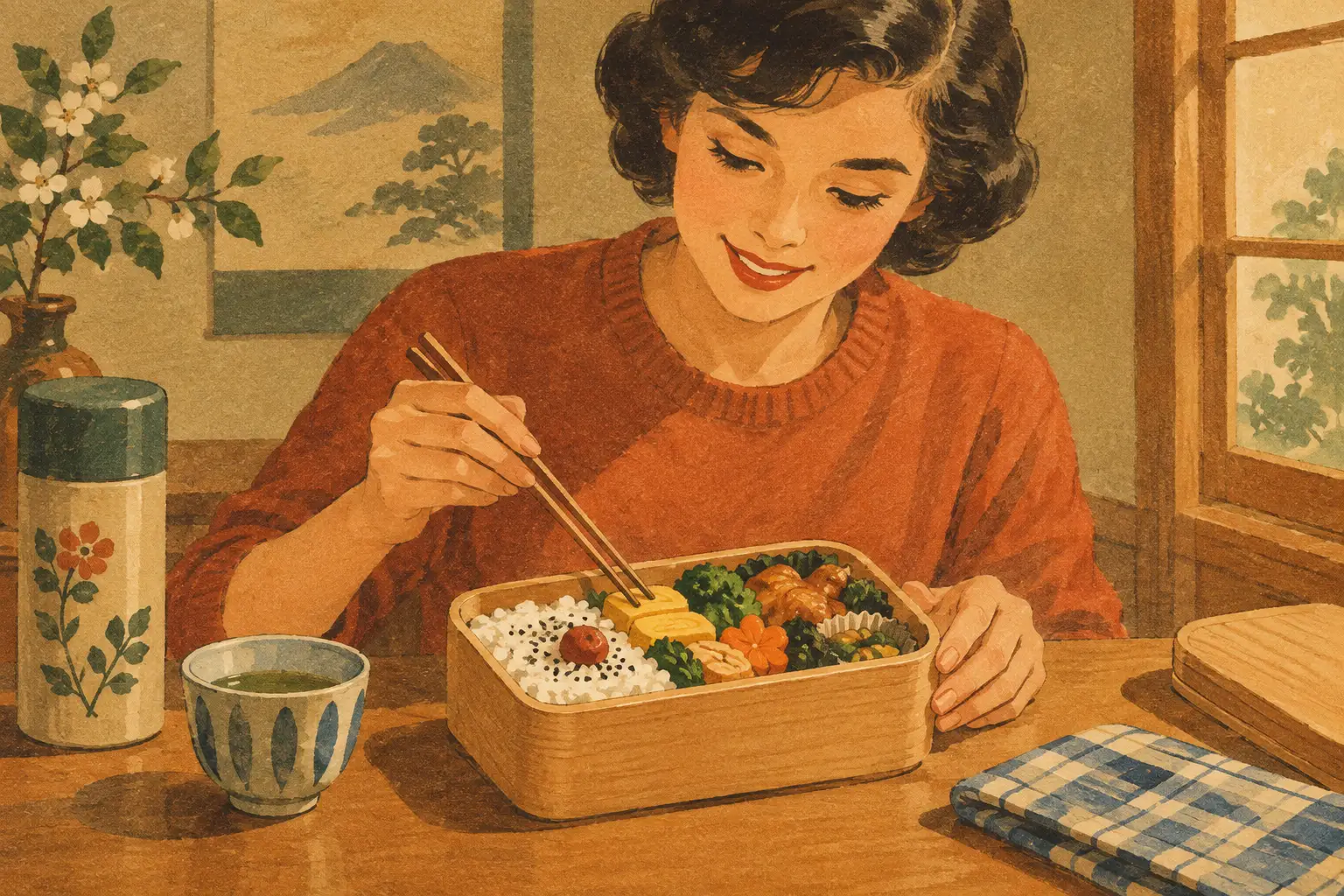
A bento can be a leftover rice bowl packed into a plain container, a carefully arranged picnic lunch, or a small daily ritual before school or work. That range is exactly what makes bento culture for beginners so welcoming. You do not need character-shaped rice, specialty cutters, or perfect Japanese ingredients to begin. You need a box, food you genuinely want to eat, and a little attention to balance.
For many Japan lovers, bento is one of the easiest cultural practices to bring into everyday life. It connects food, seasonality, care, and visual pleasure in a form that is practical enough for a Tuesday lunch. It is not about turning every meal into a social media project. It is about making an ordinary packed meal feel considered.
What Bento Really Means in Japan
The word bento refers to a prepared meal packed in a portable box. It has a long history in Japan, from simple travel provisions to the elaborate boxed meals sold at train stations, known as ekiben. Today, bentos appear everywhere: in home kitchens, school bags, convenience stores, department store food halls, and on train platforms before a long journey.
That variety matters. A supermarket bento with fried chicken and rice is still a bento. So is a lacquered box served at a special gathering. The idea is not limited to one menu or one level of effort. It is a meal designed to be enjoyed away from the kitchen.
Home-packed bentos often reflect the rhythm of daily Japanese cooking. A little rice, a protein, vegetables, and something bright or pickled can turn leftovers into a complete meal. The arrangement may look simple, but it carries a sense of care. In Japanese, te o kakeru suggests putting effort and attention into something. A bento can show that attention without becoming fussy.
Bento Culture for Beginners Starts With Balance
A beginner bento works best when you stop thinking of it as a tiny restaurant plate. Think in components instead. Traditional guidance often begins with a loose proportion: about half staple food, one-quarter protein, and one-quarter vegetables or other side dishes. Rice is the classic staple, but noodles, sandwiches, onigiri, or even a grain salad can work.
The goal is contrast. A soft food benefits from something crisp. A savory main feels more complete with a lightly sweet egg omelet or a tart pickle. A box full of brown foods may taste great, but a little green broccoli, red pepper, orange carrot, or yellow tamagoyaki makes it feel more inviting.
This approach has something in common with wabi sabi, the Japanese appreciation of modest, imperfect beauty. Your first bento does not need identical carrot flowers or flawless rows of rice. A slightly uneven homemade lunch can be more appealing than a box arranged so carefully that you are afraid to eat it.
A reliable first box
Try a simple combination: rice or furikake rice, teriyaki chicken or pan-seared tofu, tamagoyaki or a hard-boiled egg, steamed broccoli, and a few cucumber slices or pickles. If you do not have Japanese seasonings, use what is already in your kitchen. Grilled salmon, roasted vegetables, and fruit can make a bento that feels natural rather than forced.
The important part is to keep portions small enough that each item has a place. Bento boxes are usually packed fairly snugly, which helps food stay put during the commute. Start with your largest item, then fill gaps with smaller sides. Silicone cups are useful for wet foods, but paper liners or a small reusable container work too.
The Quiet Art of Packing a Bento
Part of bento’s charm is visual. Japanese food presentation often respects the seasons and the character of each ingredient. This does not mean every lunch must look ceremonial. It means that color, shape, and placement are part of the enjoyment.
A useful beginner habit is to include three colors. Green vegetables, a warm color such as carrot or cherry tomato, and a pale or golden item such as egg can transform the box quickly. Cut large foods into bite-sized pieces so they are easy to eat with chopsticks or a fork. Keep sauces minimal or pack them separately, especially if lunch will travel for several hours.
There is also a practical reason for neat packing. Bentos are made for movement. A loosely filled box can become a mixed-up mess in a backpack. Place sturdy foods first, then use softer foods to fill spaces. If you are packing rice, let it cool slightly before closing the lid so condensation does not make the meal soggy.
The Japanese idea of mono no aware – a gentle awareness of passing moments – can fit here too. A spring bento with snap peas, a summer box with cold noodles, or an autumn lunch with roasted sweet potato makes the season feel present. You do not have to recreate a Japanese seasonal menu. Simply noticing what is fresh near you is enough.
Everyday Foods That Belong in a Bento
Beginners sometimes feel they need an all-Japanese grocery list before packing their first box. You do not. Bento culture is adaptable, and many Japanese home cooks use leftovers, frozen vegetables, and familiar convenience foods.
Rice remains a great foundation because it is filling, inexpensive, and easy to flavor with sesame seeds, nori strips, furikake, or a little salt. If you enjoy onigiri, shape cooled rice into triangles or rounds and wrap part of each one with nori just before eating. For a less traditional but equally practical option, try small pasta portions, couscous, or a sturdy sandwich cut into sections.
For proteins, think beyond sushi. Chicken karaage, salmon, Japanese-style hamburger steak called hambagu, tofu, edamame, shrimp, and eggs are common choices. Leftover meatballs or roasted chicken fit beautifully too. Vegetable sides can be as easy as sautéed green beans with soy sauce, shredded cabbage salad, roasted squash, or spinach dressed with sesame.
Pickled vegetables, called tsukemono, add brightness and help prevent the meal from tasting flat. A few pickles are enough. If Japanese pickles are not available, a small portion of quick-pickled cucumber, sauerkraut, or even a crisp dill pickle brings a similar acidic contrast.
Food Safety Is Part of the Care
A beautiful bento is not worth much if it sits warm and soggy until noon. In Japan, many packed lunches are prepared in the morning and eaten within a few hours, but the same food-safety basics apply wherever you live.
Cool cooked rice, proteins, and vegetables before sealing them in the box. Use an insulated lunch bag and an ice pack when refrigeration is unavailable, especially for meat, eggs, dairy, seafood, and mayonnaise-based dishes. Avoid packing foods that are very wet unless they are contained separately. If you are making lunch the night before, refrigerate it promptly and pack it cold in the morning.
This is one place where convenience can be smarter than tradition. A chilled grain bowl or a reheatable bento may suit your workplace better than room-temperature rice and fried food. Bento is a flexible format, not a rulebook.
Make Bento a Ritual, Not a Chore
The easiest way to keep packing bentos is to prepare with tomorrow in mind. When you cook dinner, set aside a small portion before everyone starts serving themselves. Wash a handful of greens, keep frozen edamame in the freezer, and make extra rice when it fits your schedule. These small habits remove the pressure from busy mornings.
You can also choose a box that matches how you eat. A divided container helps beginners keep flavors separate. A single open box is better if you like arranging rice and sides together. Traditional lacquerware is beautiful, but it is not required. The bento that gets used is the right bento.
Bring your own taste and story to it. Maybe your lunch includes miso-glazed salmon beside local apples. Maybe it is a picnic bento for a museum afternoon, with onigiri and iced tea. For all Japan lovers worldwide, that is part of the pleasure: bento creates a small, edible connection between admiration and daily life.
Tomorrow, pack one favorite leftover, one colorful vegetable, and one satisfying staple. Close the lid, carry it with you, and let lunch become a small moment you made on purpose.