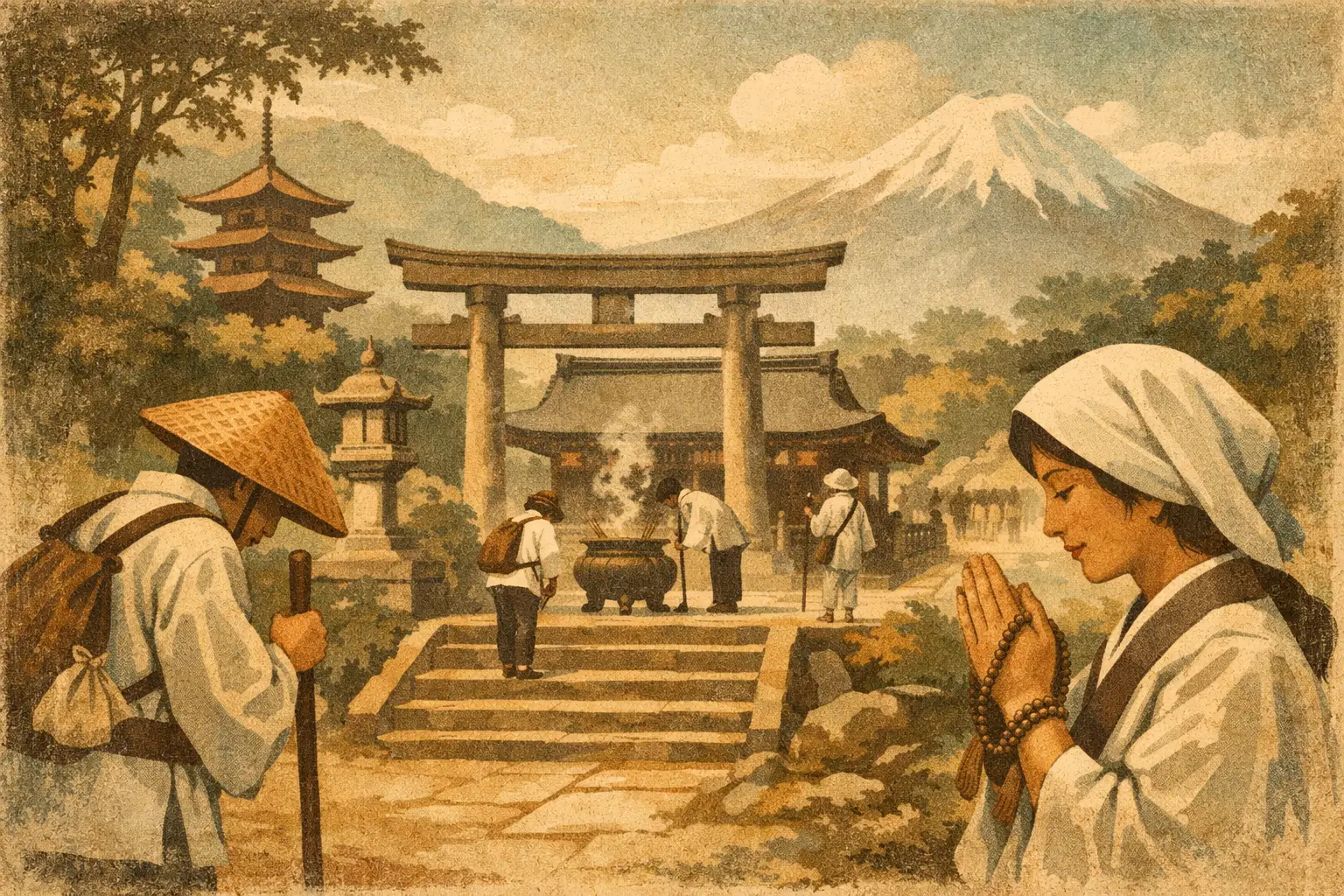
A pilgrimage in Japan is not a sightseeing checklist with better scenery. Whether you are walking a mossy section of the Kumano Kodo, visiting temples on the Shikoku 88 Temple Pilgrimage, or following a local route near Kyoto, you are entering places where people still pray, mourn, give thanks, and seek a fresh start. This guide to Japanese pilgrimage etiquette will help you join that experience with warmth, curiosity, and the kind of respect that makes travel more meaningful.
The good news for Japan lovers worldwide is that you do not need perfect Japanese, special clothing, or religious expertise. You do need patience, awareness, and a willingness to follow the lead of the place and the people around you.
A guide to Japanese pilgrimage etiquette starts with intention
Japanese pilgrimage routes are wonderfully varied. The Kumano region is shaped by Shinto and Buddhist traditions, mountain worship, and the ancient reverence for nature. Shikoku’s 88 temples honor Kobo Daishi, the Buddhist monk associated with Shingon Buddhism. Other routes may center on a single shrine, a mountain temple, a waterfall, or a village festival.
This matters because etiquette is not one fixed script. A torii gate usually marks a Shinto shrine, while a temple may have a sanmon gate, incense burner, and Buddhist images. Read signs, watch what regular visitors do, and follow instructions from priests, monks, staff, or volunteers. Treat the route as a living spiritual landscape, not an outdoor museum.
Before beginning, take a quiet moment. You might set a personal intention: gratitude for a loved one, recovery after a difficult year, appreciation for the chance to travel, or simply a wish to be present. No one needs to know it. That small pause changes the mood from “What can I get from this place?” to “How can I enter this place well?”
On the trail, share the route with care
Many pilgrimage paths pass through tiny communities, working forests, farms, and residential lanes. Keep your voice low, especially early in the morning and near homes. A friendly “konnichiwa” is welcome, but do not expect a long conversation from someone who is working or resting.
Stay on marked paths. Cutting switchbacks erodes old trails, and stepping over barriers for a better photo can damage plants or lead to accidents. Carry your trash until you find an appropriate bin. Japan’s rural routes often have few public trash cans, so bringing a small bag for wrappers and tissues is practical pilgrim behavior.
The weather is part of the journey. On routes like the Kumano Kodo, rain, mist, and slippery stone steps can create a powerful feeling of mono no aware – a gentle awareness that moments are beautiful partly because they pass. They can also be dangerous. Wear shoes with traction, give other walkers space on narrow sections, and do not block a path while arranging a photo.
If you encounter another pilgrim, a nod or greeting is enough. Some walkers want companionship; others are carrying something private. Let the interaction stay light unless they invite more.
Pilgrim clothing is welcome, but not a costume
On Shikoku, you may see henro pilgrims wearing a white vest, carrying a staff, or using a sedge hat. These items have practical and religious meaning. Visitors are welcome to learn about them and, in some cases, wear pilgrimage clothing, but it is best to understand what you are carrying before treating it as a souvenir.
For example, a pilgrim’s staff can represent Kobo Daishi himself and is traditionally handled with care. Do not leave it carelessly on the ground or use sacred gear as a photo prop. If you are not completing the formal pilgrimage, simple, clean walking clothes are completely appropriate.
Entering shrines and temples respectfully
At a shrine, bow once before passing through the torii gate. Avoid walking directly through the center of the approach, called the sando, because it is traditionally reserved for the kami, or sacred presence. Walk slightly to one side instead.
If there is a temizuya, the water pavilion for purification, use the ladle without touching it to your mouth. Scoop water with your right hand and rinse your left. Switch hands and rinse your right. Then pour a little water into your cupped left hand to rinse your mouth discreetly, without swallowing. Finally, rinse the handle by tipping the ladle upward so water runs down it. If there are signs asking visitors not to use the water basin, simply bow and continue.
At many Shinto shrines, visitors offer a small coin, bow twice, clap twice, make a quiet prayer, then bow once more. Yet customs differ, and some sacred sites ask for a different practice. Signs always outrank a general rule.
At Buddhist temples, bow lightly at the gate and enter calmly. You may see visitors place incense in a burner, make an offering, put their hands together, and pray. Clapping is generally associated with shrine worship, not temple worship, so do not automatically use the shrine pattern at a temple. If you are unsure, observe from a respectful distance for a minute.
Never enter an area marked private, forbidden, or for worshippers only. Remove shoes when instructed, place them neatly, and keep socks clean and free of holes if you can. Temples and shrines can feel wabi sabi – beautiful in their age, weathering, and quiet imperfection. That atmosphere depends on visitors moving gently through it.
Photos, prayers, and sacred objects
Photography is one of the easiest places to make an avoidable mistake. A beautiful hall, statue, or gate may be photogenic, but signs can prohibit photos inside, during ceremonies, or around particular objects of worship. Follow those rules without negotiation. A no-photo sign is not an invitation to take one quick shot.
Keep cameras and phones away when people are actively praying. Do not photograph someone in grief, a priest conducting a ritual, or a pilgrim chanting unless you have clear permission. Drones are especially inappropriate around sacred sites and rural trails unless a site has explicitly approved their use.
You may encounter ema, wooden prayer plaques, omikuji fortunes, and goshuin calligraphy seals. Ema are for writing wishes or thanks, not for doodles or jokes. If you receive an omikuji that you interpret as unlucky, follow the local instruction about tying it at the designated rack. Do not tie it to a random tree or gate.
A goshuin is a handwritten temple or shrine seal, often collected in a goshuincho book. It is a record of worship, not simply a decorative stamp. Ask politely, pay the stated fee, and do not request one when the office is closed or a ceremony is underway. Never bring a book filled with unrelated novelty stamps and expect it to be accepted. A dedicated book is the respectful choice.
Rest stops, lodgings, and baths are part of the practice
Pilgrimage etiquette continues after you leave the gate. Traditional inns, temple lodgings, and small guesthouses may have early dinner times, shared bathing areas, and quiet hours. Arrive when you said you would, or contact your host as soon as plans change. Rural properties often prepare meals around each guest’s schedule.
If your lodging has an onsen or shared bath, wash your body thoroughly at the shower station before entering the tub. Keep soap, shampoo, and towels out of the bathwater. Small towels should stay outside the tub or rest on your head, and long hair should be tied up. Tattoos are accepted at some baths and restricted at others, so ask calmly rather than assuming.
At temple lodging, morning prayers may be offered to guests. Attend if you are genuinely interested and can do so quietly, but do not feel pressure to perform belief. Sit where directed, silence your phone, and follow the room’s rhythm. Being present is enough.
When you make a mistake
Every thoughtful traveler eventually gets something wrong: you may stand in the center of a shrine path, forget to bow, or realize too late that photos were not allowed. Do not panic or turn the moment into a performance. A quiet apology – “sumimasen” – followed by changing your behavior is usually the right response.
Respect is not about achieving perfect ritual. It is about noticing that a pilgrimage route belongs to more than the traveler walking it. Walk slowly when the place asks for slowness, leave it cleaner than you found it, and let a little of its stillness travel home with you.