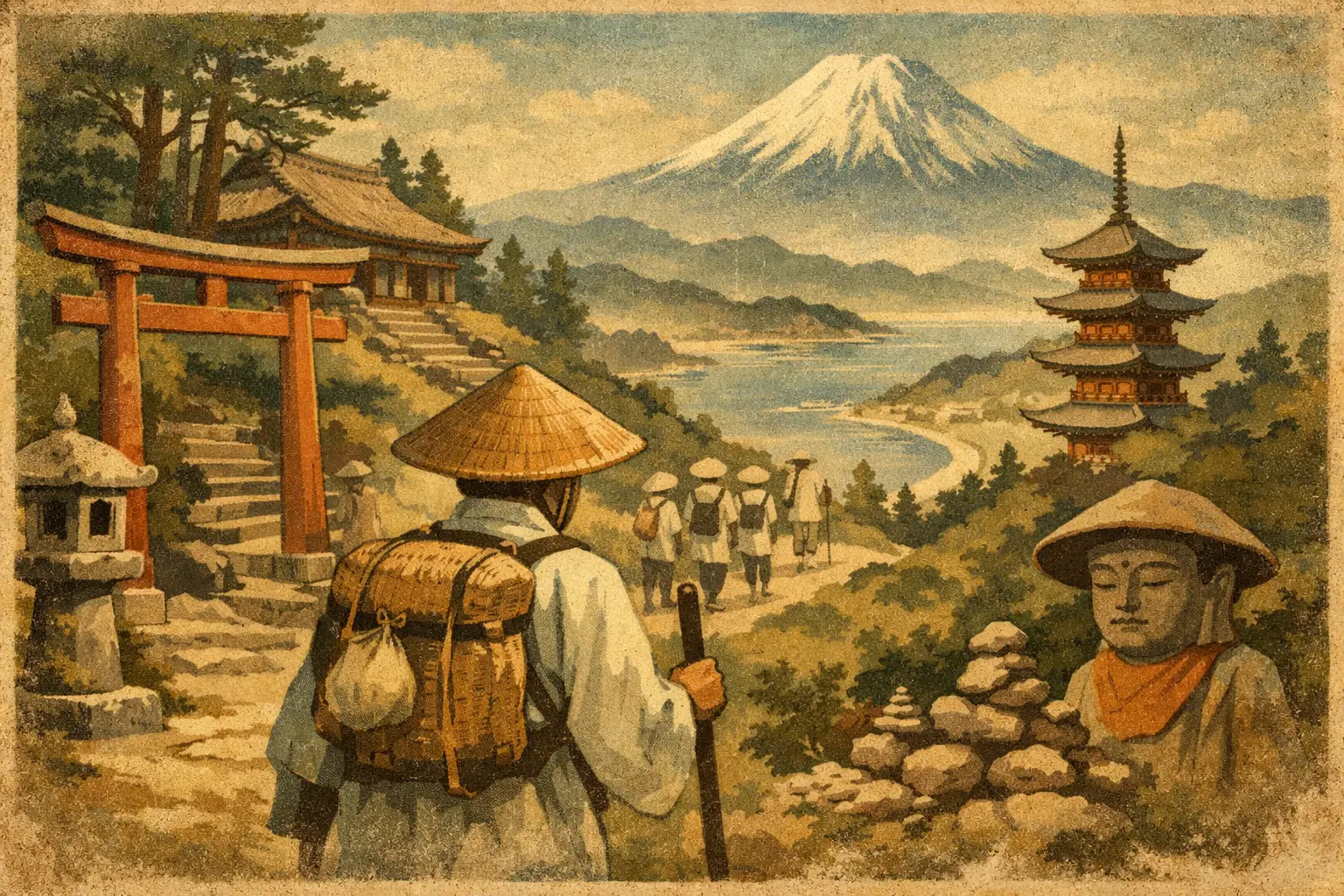
Some trips in Japan are about checking off famous sights. A pilgrimage is different. If you are wondering how to join a Japanese pilgrimage, you are really asking how to step into a living tradition without feeling like an outsider – and yes, foreigners absolutely can do it.
For all Japan lovers worldwide, this is one of the most meaningful ways to experience the country beyond train stations, hotel buffets, and photo spots. A Japanese pilgrimage can be physically demanding, spiritually quiet, socially warm, and surprisingly practical once you know how it works. The key is choosing the right route, understanding the etiquette, and accepting that your journey may feel more wabi sabi than perfectly planned.
How to join a Japanese pilgrimage without feeling lost
The first thing to know is that there is no single national system for pilgrims in Japan. Some pilgrimages are tied to Buddhism, some to Shinto, and some blend both in ways that reflect Japan’s long religious history. Some are walked over many days in the mountains. Others are done by train, bus, car, or short day hikes between sacred sites.
That means joining a pilgrimage does not always require signing up for a formal tour. In many cases, you simply choose a recognized route, prepare properly, and begin. Japan has a strong culture of self-guided travel, and many pilgrimage paths are open to anyone who approaches them with respect.
For most international visitors, the easiest entry points are the Kumano Kodo in Wakayama, the Shikoku 88 Temple Pilgrimage, and shorter shrine-temple circuits in places like Kyoto or the Kii Peninsula. These differ a lot in length, difficulty, and atmosphere. Kumano Kodo is ideal if you want ancient forest trails, mountain villages, and a defined multi-day walking experience. Shikoku is the classic big pilgrimage, circling an entire island through 88 temples, and it can take weeks or much longer depending on your pace and method.
If this is your first time, it is usually smarter to start with a section rather than the whole thing. That choice gives you room to learn the rhythm of the road without turning your trip into an endurance test.
Pick the pilgrimage that matches your travel style
A lot of people imagine that a “real” pilgrimage has to be done only on foot, with simple clothes and total discomfort. That romantic image is appealing, but Japan is more flexible than that. Tradition matters, but practicality matters too.
The Kumano Kodo is a great fit for travelers who love nature, old shrines, small inns, and a clear route with manageable planning. You walk through cedar forests, stone paths, and rural communities while heading toward major sacred sites such as Kumano Hongu Taisha. It feels old in the best possible way, full of mono no aware – that gentle awareness that beauty and passing time belong together.
The Shikoku pilgrimage suits people who want a deeper, longer commitment. Pilgrims known as henro visit 88 temples associated with Kobo Daishi. Some complete it on foot, others by bicycle, car, bus, or over multiple trips. That flexibility makes it more accessible than many first-time visitors expect, but it also requires more planning because the route is much larger.
Shorter local pilgrimages can be perfect if you are in Japan for a week or less. These may not have the same international profile, but they still offer ritual, movement, and connection. If your schedule is tight, there is no shame in choosing a smaller experience. Pilgrimage is not a competition.
What you need before you go
Once you have chosen a route, the practical side becomes much simpler. You need transportation to the starting area, a place to sleep, enough fitness for the route you chose, and a basic understanding of local etiquette.
Accommodation matters more than many travelers realize. On routes like the Kumano Kodo, lodging in village areas can fill up early, especially in spring and fall. Pilgrimage trails often pass through regions with limited rooms, not big hotel districts. Book early if your dates are fixed.
Fitness is the other reality check. A pilgrimage walk in Japan can involve steep climbs, uneven stone steps, humidity, rain, and long stretches without convenience stores nearby. You do not need to be an athlete, but you do need to be honest with yourself. If you regularly hike or walk long distances, great. If not, start training before your trip. Comfortable broken-in shoes are not optional.
It also helps to decide whether you want a self-guided experience or a guided one. A guide can be wonderful if you want cultural context, help with logistics, and confidence in rural areas. But many travelers enjoy doing it independently because it creates more space for reflection. It depends on whether you want interpretation or solitude.
Etiquette matters more than perfect knowledge
One reason some travelers hesitate is fear of doing something wrong at sacred places. That concern is understandable, but you do not need to know every ritual in advance to participate respectfully.
The basics go a long way. Dress modestly, stay quiet in worship spaces, follow posted instructions, and observe what others are doing. At shrines, you may see people purify their hands and mouth at a water pavilion before approaching. At temples, you may see incense offerings or prayer gestures. If you are unsure, it is fine to watch first.
On some pilgrimages, people collect temple stamps or calligraphy in a special book called a goshuincho, or in the case of Shikoku, a nokyocho. This is one of the most rewarding parts of the journey, especially for visitors who love Japanese calligraphy and ritual objects. But treat it as a sacred record, not a souvenir gimmick. Ask politely, pay the required fee, and keep the book clean.
You may also notice the spirit of osettai, especially on Shikoku, where locals sometimes offer small gifts, food, or encouragement to pilgrims. Accept with gratitude. That exchange is part of what makes pilgrimage in Japan feel so human and community-based.
How to join a Japanese pilgrimage as a foreign traveler
The good news is that Japan is far more welcoming to foreign pilgrims than many people expect. You do not need to be Japanese, Buddhist, Shinto, or formally religious. You do need curiosity, humility, and patience.
Language can be a challenge in rural areas, but not a deal-breaker. Learn a few simple phrases, carry your booking details clearly, and download offline maps before setting out. Staff at major pilgrimage hubs may know some English, but smaller inns and shops may not. That is part of the experience. A smile, a bow, and calm politeness solve a lot.
Do not assume every route is fully tourist-ready. Some sections are beautifully maintained but lightly serviced. Weather can change quickly. Buses may be infrequent. Luggage transfer may be available in some areas and not in others. This is where your planning makes the difference between an enriching trip and an exhausting one.
If you love Japanese culture but are not sure where to begin, this is exactly the kind of trip that makes a platform like Crazy for Japan feel useful – not because pilgrimage should be commercialized, but because good cultural travel starts with clear, trustworthy information.
Costs, timing, and common mistakes
Pilgrimage in Japan can be affordable or surprisingly expensive depending on how you travel. Local buses, trains, temple fees, stamp books, and simple lodgings add up. Traditional inns with dinner and breakfast can raise your daily budget fast, though they also make the experience richer.
Spring and fall are the easiest seasons for most people. Summer can be brutally hot and humid, especially for long walking days. Winter can be beautiful and quiet, but cold conditions and shorter daylight hours make some routes less forgiving.
The biggest mistake is overplanning the route while underplanning your body. The second biggest is treating the pilgrimage like a race. Many first-timers cram too many kilometers into each day and miss the emotional texture of the journey – the sound of wind in cedar trees, the slow arrival at a shrine gate, the feeling of stepping into a landscape shaped by centuries of devotion.
Another common mistake is expecting constant revelation. Sometimes a pilgrimage feels profound. Sometimes it feels like wet socks and sore legs. Both are real. That is part of the beauty.
What the experience actually feels like
A Japanese pilgrimage is often quieter than people expect. There may be moments of ceremony, but much of the meaning arrives in between. It is in the repetition of footsteps, the courtesy of strangers, the meals at small lodgings, and the sense that you are following something older than your own reasons for being there.
You do not need a dramatic spiritual awakening to justify the trip. Some people go for faith. Some go for history, architecture, landscapes, or a desire to feel closer to Japan beyond the usual tourist circuit. All of those reasons can coexist.
And that is probably the best answer to how to join a Japanese pilgrimage. Choose a route that fits your body and your schedule. Prepare carefully. Show respect. Leave room for uncertainty. Then start walking.
If you let the journey be a little imperfect, a little quiet, and a little open-ended, Japan has a way of meeting you there.