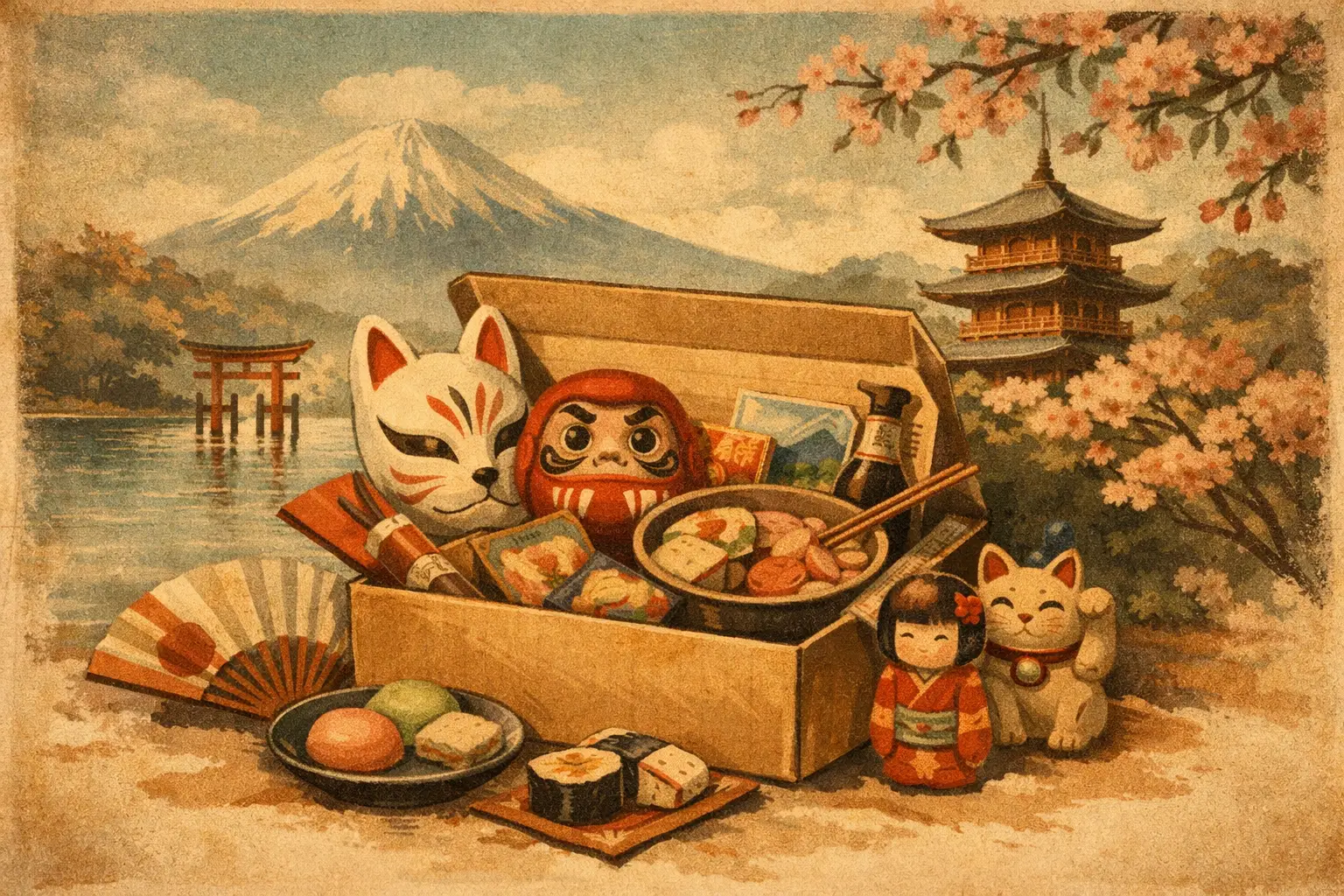
A box arrives at your door, and suddenly a quiet evening can include sencha from Shizuoka, a handprinted tenugui, a seasonal wagashi, or a tiny paper craft that asks you to slow down. That promise is why a 和風サブスクボックスレビュー matters. For Japan lovers living outside Japan, a monthly package can feel less like shopping and more like receiving a small invitation into everyday Japanese life.
But not every Japan-themed subscription box offers the same kind of experience. Some are built around snacks and bright novelty items. Others focus on stationery, home goods, tea, regional specialties, or traditional craft. The best choice depends on what you hope to bring into your own routine: a taste of Japan, a new artistic practice, a travel-inspired ritual, or simply a happy monthly surprise.
What a Japanese-style subscription box should deliver
The word wafū means Japanese style, but it should mean more than putting sakura patterns on a cardboard box. A worthwhile subscription has a point of view. It might introduce one prefecture at a time, follow Japan’s seasonal calendar, or pair practical objects with a story about the people and places behind them.
This is especially valuable if your interests reach beyond anime and pop culture. A good box can introduce the texture of Japanese life through items that are modest but meaningful: incense for a quiet room, a kutani-yaki dish for an evening snack, a furoshiki cloth for wrapping gifts, or a packet of yuzu kosho that changes how you cook grilled vegetables.
The strongest boxes create context. A tea packet becomes more memorable when you learn whether it is hojicha, genmaicha, or sencha and how people commonly drink it. A small piece of washi feels different when the included note explains its fibers, region, and traditional use. Without that context, even attractive objects can become clutter.
和風サブスクボックスレビュー: the details that matter
When reading any 和風サブスクボックスレビュー, look past the first unboxing photo. Beautiful packaging is part of the pleasure, and Japan does presentation wonderfully, but value lives in the details.
First, check the mix of products. Snack-heavy boxes can be delightful for curious eaters, especially when they include seasonal flavors you would never find locally. Still, they may disappoint someone who wants lasting cultural objects. Craft-centered boxes often feel more substantial, but they can become repetitive if each month is another small decorative item with no practical place in your home.
Second, consider authenticity without treating Japan as a museum. An item does not need to be centuries old to be culturally meaningful. Contemporary Japanese makers, local illustrated stationery, modern tea blends, and regional food brands all belong in the picture. The important question is whether the company identifies what the item is, where it comes from, and why it was selected. Specificity is a good sign.
Third, pay attention to language support. For international subscribers, English product cards are not an extra. They are how a box becomes an experience. Clear instructions for preparing food, using household items, or trying a small craft make the contents welcoming for newcomers while still satisfying longtime Japan fans.
Finally, look closely at shipping and renewal terms. International subscription services can involve higher postage, customs delays, and temperature limitations for food. A slightly more expensive box may be worth it if its shipping schedule is transparent and its cancellation policy is easy to understand. Surprise should come from the contents, not from an unexpected charge.
The four box styles and who they suit
Japanese subscription boxes usually fall into four broad styles, and choosing between them makes the decision much easier:
- Snack and regional food boxes suit adventurous eaters who want a rotating taste of Japan. Look for ingredient information and preparation notes, especially if you have allergies or dietary restrictions.
- Tea, coffee, and ritual boxes are ideal for people who enjoy making a slower daily pause. These often offer the closest feeling to mono no aware, the awareness that small seasonal moments do not last forever.
- Craft and home goods boxes appeal to collectors, makers, and anyone building a home with Japanese touches. They can be wonderful for discovering ceramics, textiles, incense, or paper goods, but check whether items are handmade, factory-made, or a mix of both.
- Culture and activity boxes work best for people who want to do something, not just receive something. Origami, calligraphy practice, cooking projects, and festival-themed activities can turn a package into an evening well spent.
There is no universally better format. A snack box is usually more accessible for a first subscription, while a craft box can be a better gift for someone who already has a deep appreciation for Japanese material culture. If you have recently returned from Japan and miss the ordinary pleasures of browsing a shotengai, a mixed lifestyle box may feel especially comforting.
What feels special and what can feel generic
The most memorable boxes know that Japanese culture is regional and seasonal. A winter delivery might feature mikan, a warming blend of tea, or a local sweet associated with the New Year. A summer box could include cooling glassware, a uchiwa fan, or flavors such as ramune and sudachi. This seasonal rhythm is one of the real joys of subscribing.
Regional focus also makes a major difference. Japan is not one single aesthetic. Hokkaido dairy treats, Kyoto incense traditions, Okinawan textile patterns, and Setouchi citrus all tell different stories. A box that names the maker, prefecture, and inspiration offers a more grounded connection than one that relies only on familiar symbols like Mount Fuji or geisha imagery.
Generic boxes are not automatically bad. A cheerful collection of Japanese candy, cute socks, and stationery may be exactly what you want after a long week. The issue is expectation. If a service presents itself as a window into traditional craft, it should deliver more than mass-produced souvenirs. If it is primarily about fun snacks, it should own that identity and do it well.
How to make the subscription worth more at home
The value of a box often grows after you open it. Instead of setting everything aside for later, create one small ritual around the delivery. Brew the tea in a favorite cup. Try the snack with a friend and compare flavors. Put the printed information card in a travel notebook. If the box includes a cloth or small ceramic piece, use it rather than saving it for a special occasion.
This is where wabi-sabi becomes useful as an everyday idea. You do not need a perfect Japanese-style room or a formal tea ceremony to appreciate a handmade object. A slightly uneven cup, a fold in a furoshiki, and the changing color of a seasonal sweet can make ordinary routines feel more intentional.
For a deeper experience, choose one item per box to explore further. If you receive a regional condiment, cook one simple dish around it. If the theme is ukiyo-e, spend an evening noticing the composition and color choices in the print or card. If you receive origami paper, learn one traditional fold and make enough to share. Small actions build a much stronger connection than passive collecting.
Is a Japanese subscription box a good value?
A subscription box is rarely the cheapest way to buy Japanese snacks, tea, or household goods. If you know exactly what you want, buying individual items may offer better control over price and quantity. Subscription services charge for curation, packaging, information, and the pleasure of discovery.
That premium makes sense when the selections introduce you to makers and regions you would not find on your own. It is less compelling when the contents are easy-to-find products with little explanation. Before committing to a long plan, try one month if possible. Notice what you actually used, tasted, displayed, or learned from. Your answer matters more than the hype around any unboxing.
At Crazy for Japan, we love the objects and flavors that give people a reason to keep asking questions about the country they admire. Choose a box that sparks that feeling. The best delivery is not the one with the most items. It is the one that leaves you reaching for your tea kettle, planning a Japanese meal, or imagining the prefecture you want to visit next.