A matcha bowl can look beautifully prepared and still taste oddly flat because the whisk did not do its quiet, essential job. In this matcha whisk review, we are looking past pretty packaging to the tool that creates that soft foam, smooth texture, and small tea-making pause that makes matcha feel special.
For Japan lovers worldwide, a bamboo chasen is more than a kitchen gadget. It is a direct connection to the rhythms of chanoyu, the Japanese tea tradition. You do not need a formal tea room, a silk kimono, or years of training to appreciate that connection. But choosing the right whisk makes your daily bowl feel much closer to an intentional ritual and much less like stirring green powder into water.
What a Matcha Whisk Actually Does
A traditional matcha whisk, called a chasen, is carved from one piece of bamboo. Its fine tines break up matcha clumps while pulling air into the tea. The goal is not a mountain of stiff foam. It is a light, even layer of tiny bubbles and a bowl of tea without gritty pockets at the bottom.
A spoon, fork, or electric frother can mix matcha, but each creates a different result. A spoon leaves clumps. A fork is awkward against the curve of a tea bowl. An electric frother can make quick foam, though it often feels more like preparing a café drink than making usucha, or thin matcha. A chasen gives you control over the texture while keeping the process wonderfully simple.
That difference matters most when you buy better ceremonial-style matcha. Fresh, vibrant matcha has delicate grassy, savory, and gently sweet notes. If it is poorly mixed, you may blame the tea when the real issue is the preparation.
Matcha Whisk Review: What Separates a Good Chasen
The best chasen is not always the most expensive or the one with the highest tine count. It should feel balanced in your hand, have evenly cut tines, and make it easy to whisk in a fast W or M motion without scraping your bowl. Look for natural bamboo with a clean finish and no harsh chemical odor.
A well-made whisk opens gradually after its first soak. The outer tines should flex rather than feel stiff and brittle, while the center tines should remain neatly arranged. Slight variation is normal because bamboo is a natural material. Jagged cuts, splintering, loose bands, or visibly uneven tines are not signs of charming handmade character. They are signs to keep looking.
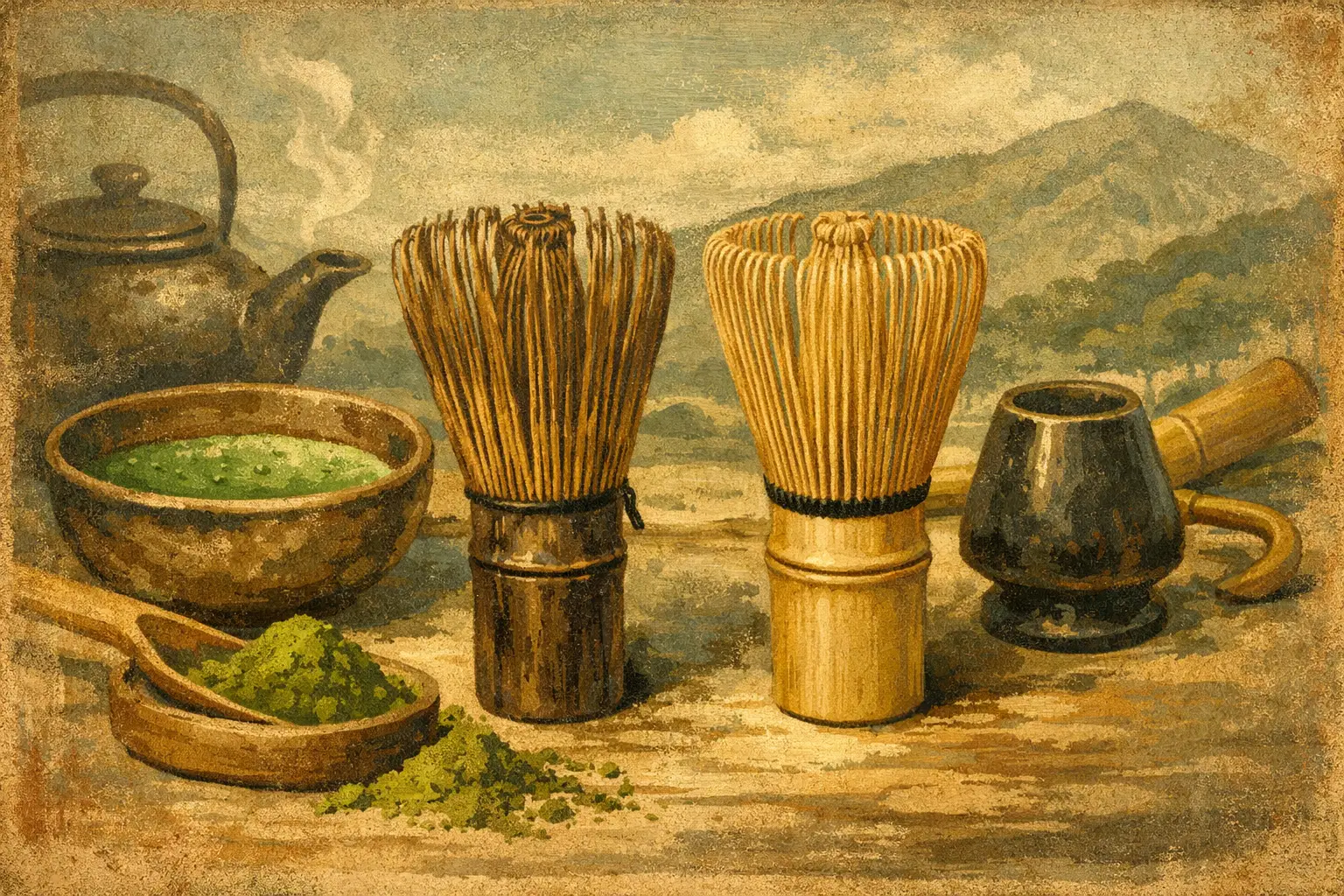
Color can tell you a little, but not everything. Pale bamboo is usually white bamboo, while darker or warmer brown whisks may be made from smoked bamboo. Both can work beautifully. Smoked bamboo is often denser and may last longer, but quality of carving and care matter more than color alone.
Tine Count: Helpful, Not a Magic Number
Chasen are often described by the number of tines, such as 64, 80, or 100. A whisk with more tines generally makes fine foam more easily, especially with thinner matcha. For many beginners, an 80- or 100-tine whisk is a friendly all-around choice because it produces a smooth bowl without demanding perfect technique.
Fewer-tine whisks can be sturdier and are sometimes preferred for thicker preparations, called koicha. Yet koicha is not whisked into foam in the same way as usucha. It is kneaded into a rich, glossy consistency, so buying a high-tine whisk solely for every style of matcha is not necessarily the answer.
The trade-off is durability. Very fine, high-tine chasen can create lovely foam, but their delicate tips can wear out sooner. If you drink matcha every morning and want a practical, forgiving tool, a well-cut mid-to-high-tine bamboo whisk is usually a smarter buy than an ultra-fine showpiece.
Shape Changes the Feel
A chasen with a fuller, wider spread tends to move quickly through the water and is excellent for everyday usucha. A more compact whisk can feel controlled and precise, especially in a smaller bowl. Neither is universally better. Your bowl size, matcha habit, and hand comfort should decide.
If your tea bowl is narrow, an oversized whisk may knock against the sides and bend prematurely. If your bowl is broad and deep, a tiny whisk can feel underpowered. This is one reason traditional tea utensils are so satisfying: the chawan, chasen, and chashaku, or bamboo scoop, are designed to work as a small team.
Our Verdict on Bamboo, Resin, and Metal Whisks
For a traditional matcha experience, bamboo wins. It is light, quiet, beautiful, and surprisingly effective. The faint scent of soaked bamboo, the movement of the tines, and the soft sound against ceramic add a little wabi-sabi to an ordinary morning. Nothing needs to be perfect to feel meaningful.
Resin or plastic whisks are durable and easier to sanitize, so they can make sense in busy households or for people who dislike replacing bamboo tools. Some have flexible loops rather than individual tines and can produce respectable foam. Still, they do not move through matcha quite like bamboo, and they lack the tactile pleasure that draws many people to Japanese tea culture.
Metal spring whisks and handheld frothers are fastest. They are useful for iced matcha lattes, travel, or anyone who simply wants a smooth drink before work. But they are not a substitute for a chasen if you want to practice the classic preparation. Think of them as different tools for different moments, not rivals that need a single winner.
How to Use a Chasen Without Ruining It
Before whisking, soak the tines in warm water for about a minute. This small step softens the bamboo and greatly reduces the chance of breakage. Do not use boiling water. Matcha itself is usually prepared with hot, not boiling, water because excessive heat can bring out bitterness.
Sift your matcha if you can, add a small amount of water, and whisk from the wrist rather than the whole arm. Move briskly in a W or M pattern near the surface, then slow down and lift the whisk gently to settle the foam. Pressing hard into the bottom of the bowl damages the tines and does not improve the tea.
Afterward, rinse the chasen with plain warm water. Avoid soap, which can leave a taste behind and dry the bamboo. Shake off excess water and rest it tines-down on a whisk holder, called a kusenaoshi, if you have one. The holder is not mandatory, but it helps preserve the whisk’s rounded shape as it dries.
Never leave your chasen soaking for hours or store it damp in a closed container. Bamboo is natural, and natural materials need air. If you notice mold, a persistent odor, significant splitting, or many broken tines, it is time to replace it.
The Best Choice for Most Home Matcha Drinkers
For a first or everyday chasen, choose a natural bamboo whisk with roughly 80 to 100 evenly cut tines. Pair it with a bowl that gives your hand room to whisk freely. This setup is approachable, authentic, and capable of producing a genuinely beautiful bowl of matcha without turning tea into a technical project.
Those who are building a more traditional tea set may enjoy trying both a pale bamboo and smoked bamboo chasen over time. You will notice small differences in weight, flexibility, and character. That kind of noticing is part of the pleasure. Japanese crafts invite attention, not just ownership.
The right whisk is the one that makes you want to prepare matcha again tomorrow. Set out your bowl, warm the bamboo, and give yourself those few green, fragrant minutes. That is where a simple chasen becomes a daily piece of Japan, wherever you live.