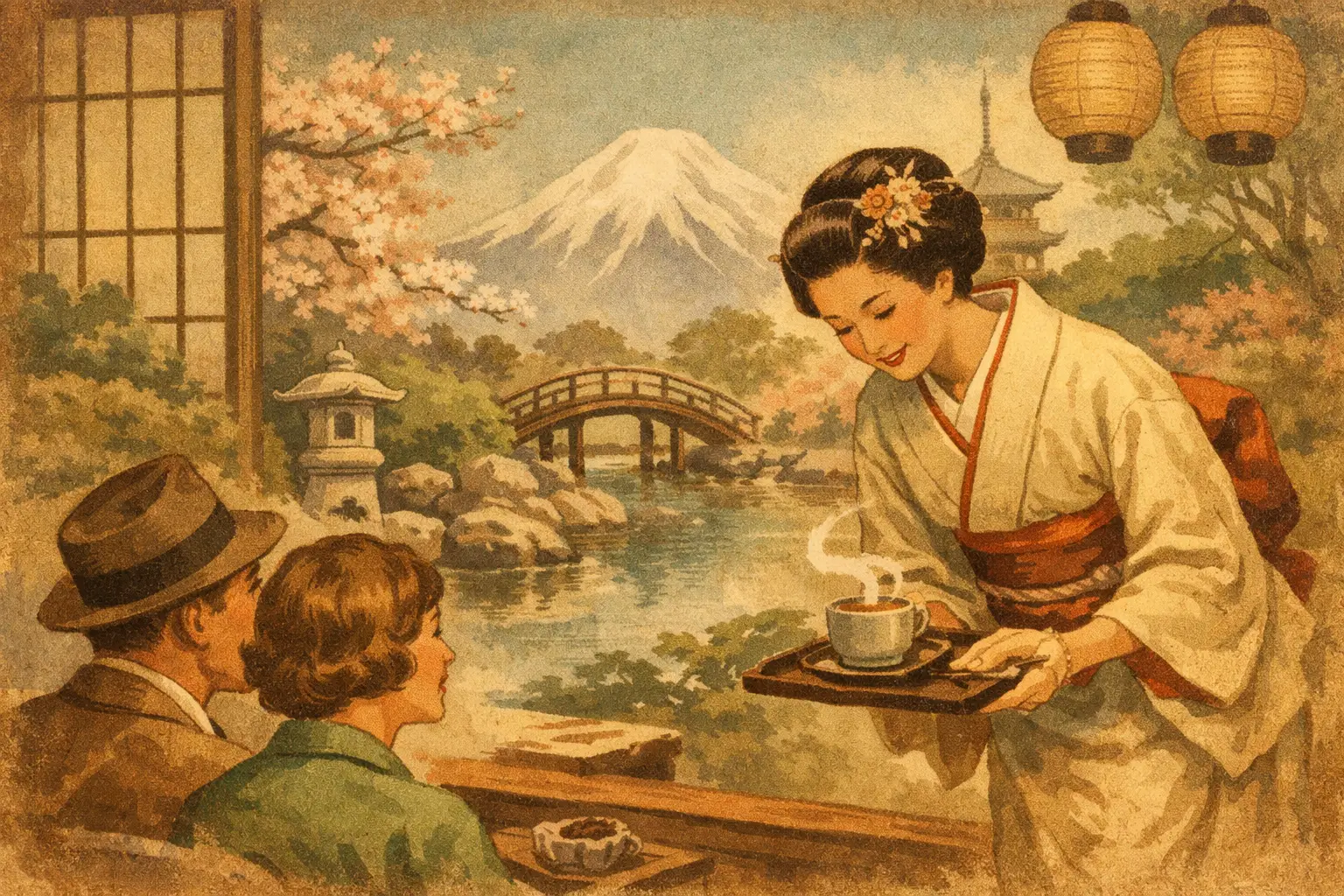
You feel it before anyone explains it. A shopkeeper walks you to the door with your purchase wrapped neatly. A ryokan host notices you are cold and brings extra tea without making a show of it. A server places each dish with quiet care, as if the moment itself matters. If you have ever asked what does omotenashi mean, the shortest answer is Japanese hospitality – but that still misses the heart of it.
Omotenashi is not just “good service.” It is hospitality offered with sincerity, attention, and respect, often without expecting praise, tips, or anything in return. It is the feeling that someone has prepared for your comfort before you even ask. For many Japan lovers worldwide, this is one of the most moving parts of visiting Japan because it turns ordinary moments into something deeply human.
What does omotenashi mean, exactly?
The word omotenashi is usually translated as hospitality, but in Japanese culture it carries a warmer and more thoughtful meaning than that English word often suggests. It is about welcoming a guest wholeheartedly and caring for their experience with genuine consideration.
Some people explain omotenashi through the idea of service without hidden motives. That is helpful, but still a little too neat. In real life, omotenashi is not a fixed rulebook. It can be formal and elegant in a tea ceremony, relaxed and practical in a countryside inn, or almost invisible in the way a train system is organized to reduce stress for passengers.
That is why omotenashi often feels different from luxury. Luxury can impress you. Omotenashi tries to put you at ease. It says, in effect, “We thought about your needs, and we care how this moment feels.” That spirit connects beautifully with other Japanese ideas many of us love, from wabi sabi’s appreciation of quiet beauty to mono no aware and its sensitivity to fleeting moments.
Omotenashi is more than customer service
If you come from the US, it can help to separate omotenashi from the way hospitality often works in American settings. In the US, friendly service may be energetic, chatty, and tip-driven. Neither style is automatically better. They are simply built on different expectations.
Omotenashi is usually less performative. The goal is not always to create a big personality-driven interaction. Instead, it is often about reading the situation, anticipating needs, and avoiding inconvenience. The best omotenashi can feel almost effortless because so much care happens behind the scenes.
That said, it depends on where you are. In a luxury hotel in Tokyo, omotenashi may look polished and highly refined. At a family-run minshuku in the countryside, it may feel more personal and homemade. At a neighborhood soba shop, it might show up in small gestures rather than formal language. The common thread is attentiveness.
Where omotenashi comes from
A lot of people connect omotenashi with the Japanese tea ceremony, and that is a good place to start. In chanoyu, every detail matters – the season, the utensils, the sweets, the scroll, the flowers, the pace of the gathering. The host prepares the space for the guest with great care, not to show off, but to create a meaningful shared experience.
This is one reason omotenashi is hard to translate in one sentence. It is not only about efficiency or politeness. It is also aesthetic. The arrangement of a room, the timing of a meal, the choice of ceramics, even the silence between actions can all be part of hospitality. For anyone who loves Japanese crafts, calligraphy, kimono, or ukiyoe, this will feel familiar. Japan often expresses care through form.
There is also a cultural preference for consideration that avoids burdening others. Omotenashi fits into that wider social habit. Good hospitality means paying attention so the guest does not need to ask for every little thing. The ideal is not mind-reading perfection, of course, but thoughtful preparation.
What omotenashi looks like in Japan
The most famous examples often come from ryokan, and for good reason. A ryokan stay can feel like omotenashi in full form. Your shoes are handled carefully. Your room is prepared with seasonal sweets. Dinner arrives with a sense of rhythm and balance. Futons appear while you are away. None of this is random. It is designed to make you feel cared for without constant explanation.
You also see omotenashi in places travelers do not always expect. Department store staff may bow as an elevator door closes. Station attendants may offer precise help with calm efficiency. A craft workshop host may patiently guide beginners so nobody feels embarrassed. Even packaging can reflect omotenashi, especially in Japan’s gift culture, where presentation is part of respect.
Food is another great window into the idea. At a sushi counter, the chef may adjust seasoning or timing based on the guest. In kaiseki, the progression of dishes reflects the season and the mood of the meal. In a simple kissaten, the cup, saucer, and pace of service may be chosen to create a restful pause. Hospitality is not always loud. Often it is beautifully understated.
What does omotenashi mean for travelers?
For travelers, omotenashi can be one of the reasons Japan feels so memorable. It creates trust. You notice that spaces are prepared with care, that instructions are clear, that staff are trying to help even when language is limited. That experience can make a first trip feel less intimidating.
Still, there is a trade-off to understand. Because omotenashi often values smoothness and social harmony, interactions may be more reserved than some visitors expect. A host might not chat casually for long. A staff member may remain formal even when being kind. If you mistake warmth for extroversion, you can miss what is actually being offered.
It also helps to remember that omotenashi is not magic and not every experience in Japan will feel perfect. Busy urban settings, budget travel, and language barriers can all affect how hospitality comes across. Expecting every moment to be idealized can flatten the reality of the country. The better approach is to notice the care when it appears, especially in the small details.
Why omotenashi resonates with Japan fans abroad
Many of us are drawn to Japan because everyday life there can feel intentionally shaped. A meal, a wrapping cloth, a garden path, a bathhouse routine – these are not always treated as minor things. They are chances to express attention and respect. Omotenashi belongs to that same world.
It also resonates because it gives emotional depth to experiences that might otherwise seem purely practical. A train bento is not just lunch. A tea bowl is not just a vessel. A welcome at a temple lodging is not just check-in. This way of seeing transforms travel from simple consumption into connection.
That is part of why omotenashi gets talked about alongside ideas like wabi sabi and mono no aware. They are different concepts, but they overlap in one important way: all of them encourage sensitivity. You are asked to notice texture, atmosphere, timing, and care. For people who love Japan beyond surface trends, that is a huge part of the appeal.
Can omotenashi exist outside Japan?
Yes, but not as a costume. You cannot create real omotenashi just by bowing, wrapping things beautifully, or using Japanese phrases. The spirit matters more than the aesthetic.
At its core, omotenashi means paying sincere attention to the other person and shaping an experience with care. That can happen in a tea gathering in Kyoto, but it can also happen in a small business abroad, at a cultural event, or in your own home when you host friends for a Japanese meal. If you have ever chosen the right dishware, thought about the season, and tried to make guests feel comfortable before they asked, you already understand part of it.
For all Japan lovers worldwide, this is one of the most inspiring things about the concept. Omotenashi is deeply Japanese, but it is also a reminder that hospitality can be an art. Not flashy. Not forced. Just thoughtful, sincere, and aware of the moment.
The next time you encounter omotenashi, try not to reduce it to “great service.” Look at the details, the pacing, the preparation, and the feeling left behind. That is often where the meaning really lives.