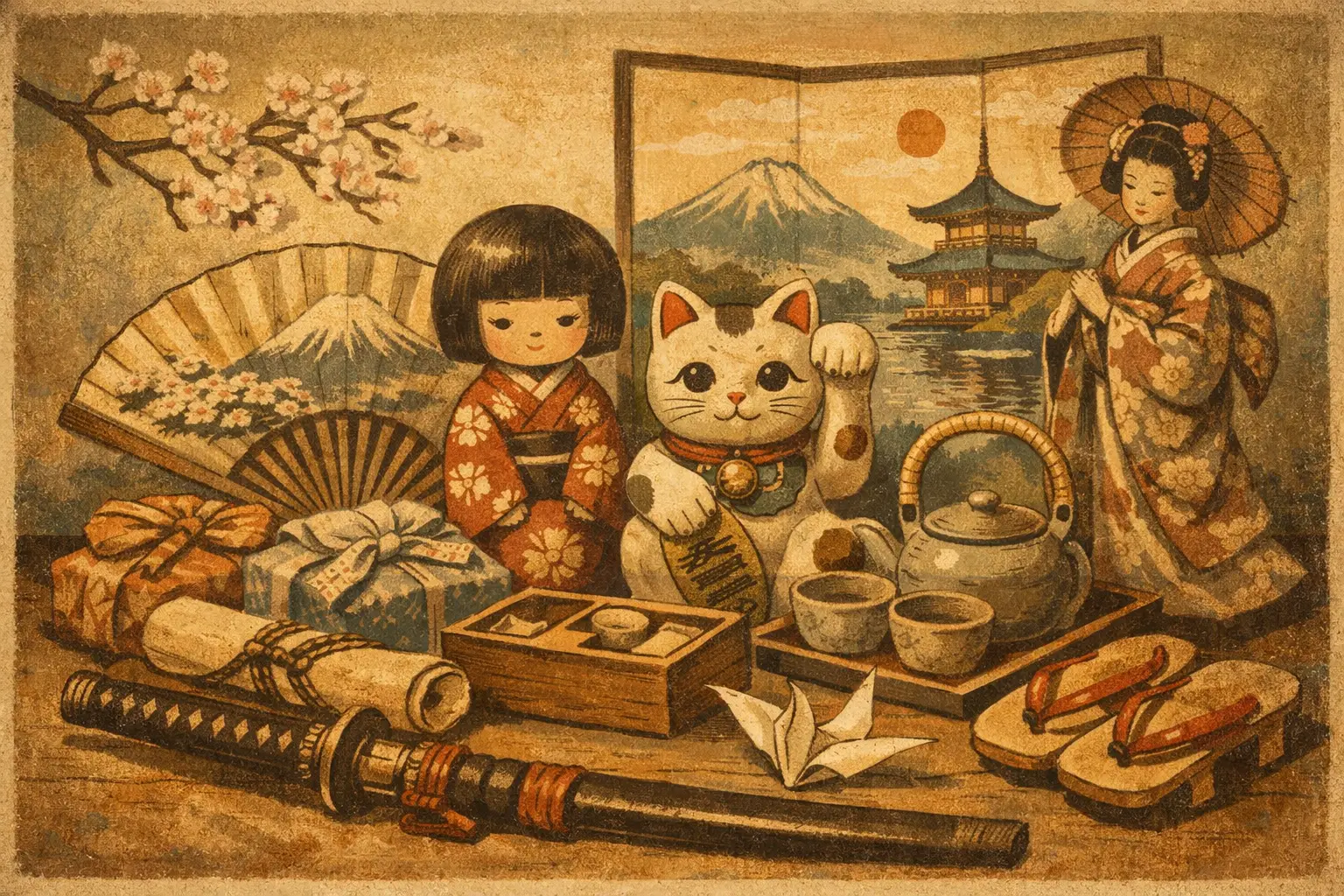
Some gifts get opened, admired for ten seconds, and forgotten by next week. The best Japanese cultural gifts do something better – they carry a feeling, a ritual, or a small piece of everyday Japan into someone’s life.
That is what makes this category so special for all Japan lovers worldwide. A great Japanese gift is not just pretty packaging or a trendy souvenir. It can reflect wabi sabi in a handmade tea cup, mono no aware in a seasonal print, or simple daily comfort in a tenugui cloth used again and again. If you are choosing for someone who genuinely loves Japan, the most memorable gifts are the ones with a story built into them.
What makes the best Japanese cultural gifts worth giving?
The first thing to look for is connection. A gift feels more meaningful when it reflects a real part of Japanese life, craft, or tradition instead of a generic “Japan-themed” design. That does not mean it has to be expensive or formal. In fact, many of the most loved items in Japan are modest, useful, and beautifully made.
It also helps to think about how the person will use it. Some people want an object they can display, like ukiyoe-inspired art or calligraphy tools. Others connect more with experiences and habits, like preparing tea, wrapping a lunch in furoshiki, or writing with good washi paper. The sweet spot is often a gift that feels authentic without becoming difficult to understand or too precious to enjoy.
Best Japanese cultural gifts for different kinds of Japan lovers
Tea ware and matcha tools
If your recipient loves Japanese aesthetics and quiet rituals, tea-related gifts are hard to beat. A matcha bowl, bamboo whisk, and tea scoop can introduce a whole new habit, not just a new object. Even for someone who is not practicing chanoyu in a formal way, making matcha at home feels intentional and calming.
This kind of gift works especially well because it sits at the crossroads of design, hospitality, and tradition. The trade-off is that a full tea set can feel intimidating for beginners. If that is a concern, a single handmade yunomi tea cup or a pair of simple cups may be the better choice.
Furoshiki and tenugui cloths
These are among the most underrated gifts from Japan. A furoshiki is a wrapping cloth, but it can also be used for carrying items, decorating a table, or simply displayed for its pattern. A tenugui is lighter and longer, often used as a hand towel, kitchen cloth, or wall accent.
They are affordable, practical, and deeply tied to everyday Japanese life. They also make excellent gifts for people who appreciate sustainable living. If you want something that feels cultural without being overly formal, this is one of the smartest choices.
Japanese ceramics
Few things say more about Japanese craft than a well-made ceramic piece. Rice bowls, sake cups, ramen bowls, and small plates all bring texture and personality to the table. Good Japanese ceramics often celebrate irregularity rather than hiding it, which is part of their charm.
This is where wabi sabi really comes alive. A slightly uneven glaze or a subtle crackle finish can make a bowl feel more human and memorable. The only downside is practicality – shipping can be risky, and not every recipient wants to hand-wash delicate pieces. Still, for someone who loves Japanese food and design, ceramics are one of the best Japanese cultural gifts you can give.
Incense and incense holders
Japanese incense makes a beautiful gift because it creates atmosphere right away. It is tied to traditional appreciation of space, season, and mood, and it can turn a normal evening into something more reflective. The scent profile is often softer and more refined than what many Americans expect from incense.
This is a great pick for people who enjoy quiet home rituals, meditation, or temple aesthetics. It depends on personal taste, though. If the recipient is sensitive to fragrance, an incense holder alone may be the safer option.
Gifts rooted in Japanese arts and crafts
Washi paper and stationery
For anyone who loves writing, sketching, journaling, or calligraphy, washi paper is a joy. It has a texture and warmth that regular paper just does not match. A small stationery set with note cards, envelopes, or memo pads can feel personal without being overcomplicated.
This also connects beautifully to Japanese letter-writing culture and gift presentation. It is especially good for students of Japanese language or fans of shodo, since the tactile experience matters as much as the visual one.
Japanese calligraphy tools
Calligraphy gifts have strong appeal for people drawn to Japanese art, discipline, and aesthetics. A brush, ink stick, ink stone, and practice paper can open the door to shodo in a very direct way. It is one of those gifts that feels serious in a good way.
At the same time, it is best for someone who will actually explore it. A complete beginner may love the look of a calligraphy set but never use it. If you are unsure, a framed calligraphy piece or a brush pen with quality paper can feel more approachable.
Ukiyoe-style prints and traditional art reproductions
Wall art is a smart option when you want a gift that keeps Japan visible in everyday life. Ukiyoe prints, nature scenes, seasonal motifs, and images of temples, castles, or famous landscapes all carry strong cultural resonance.
This kind of gift is ideal for someone decorating a home office, study corner, or reading space. The main thing to watch is taste. Bold prints can be wonderful, but a calmer design may fit more homes. If you know the recipient loves classic Japanese visuals, this can be a very personal choice.
Best Japanese cultural gifts tied to daily life
Chopsticks and chopstick rests
A beautiful pair of chopsticks with a small ceramic rest can be simple, elegant, and surprisingly thoughtful. In Japan, table details matter, and this kind of gift brings a little of that feeling home. It is also easy to pair with bowls, plates, or a food-related gift.
The key is quality. Cheap novelty chopsticks can feel disposable, while a well-finished set feels like something to keep. For a couple or family, matching sets make even more sense.
Bento boxes
A good bento box speaks to Japanese daily culture in a very practical way. It is useful for work lunches, picnics, travel, or meal prep, and it introduces a little order and beauty into an ordinary routine. For many Japan fans, that blend of function and design is exactly the appeal.
This gift works best for organized people or anyone who already packs meals. If not, it can still be appreciated as a cultural object, but it may not become part of their weekly life.
Japanese kitchen items
Small kitchen tools can make excellent gifts because they connect directly to food culture. A donabe-style pot, a quality rice bowl set, or elegant sauce dishes can feel much more personal than generic cookware. They also invite the recipient to cook and share.
If the person loves Japanese food, this category has a lot of range. Just think about space and experience level. A compact item often works better than a highly specialized tool they may never use.
Gifts with deeper cultural meaning
Omamori and temple-inspired items
Omamori, the small protective charms often found at Japanese shrines and temples, can be deeply meaningful. They are associated with wishes for health, success, love, safe travel, or good fortune. For someone who has visited Japan, this kind of gift can feel especially emotional.
That said, context matters. Some people see these as spiritual objects rather than decorative items, so they should be given with respect. If you are not sure, temple-inspired art or a small item connected to pilgrimage culture may carry the feeling without crossing into something too personal.
Traditional textiles and small kimono accessories
Not everyone is ready for a full kimono or yukata, but smaller textile gifts can be wonderful. Think of a pouch, a fabric accessory, or a decorative item made with traditional patterns. These let someone enjoy Japanese design in a way that feels natural in daily life.
This can be a better route than buying clothing without understanding sizing, seasons, or how the garment is worn. With cultural gifts, usability matters. A beautiful textile item that gets handled often may bring more joy than a formal garment left in the closet.
How to choose the right one
The best gift depends less on price and more on what part of Japan the person connects with most. If they love food, choose something they can use at the table. If they are drawn to temples, calligraphy, or quiet beauty, go for items that support reflection and ritual. If they miss traveling in Japan, everyday objects often work better than flashy statement pieces because they recreate a feeling of being there.
It is also worth avoiding gifts that flatten Japanese culture into stereotypes. Not every fan of Japan wants the same symbols, and not every traditional object belongs in every setting. A thoughtful gift shows that you see the person’s interests clearly, whether that means tea, craftsmanship, textiles, bathing culture, or the visual poetry of the seasons.
A great Japanese gift should feel like an invitation – not just to own something beautiful, but to live with a little more care, curiosity, and closeness to Japan every day.