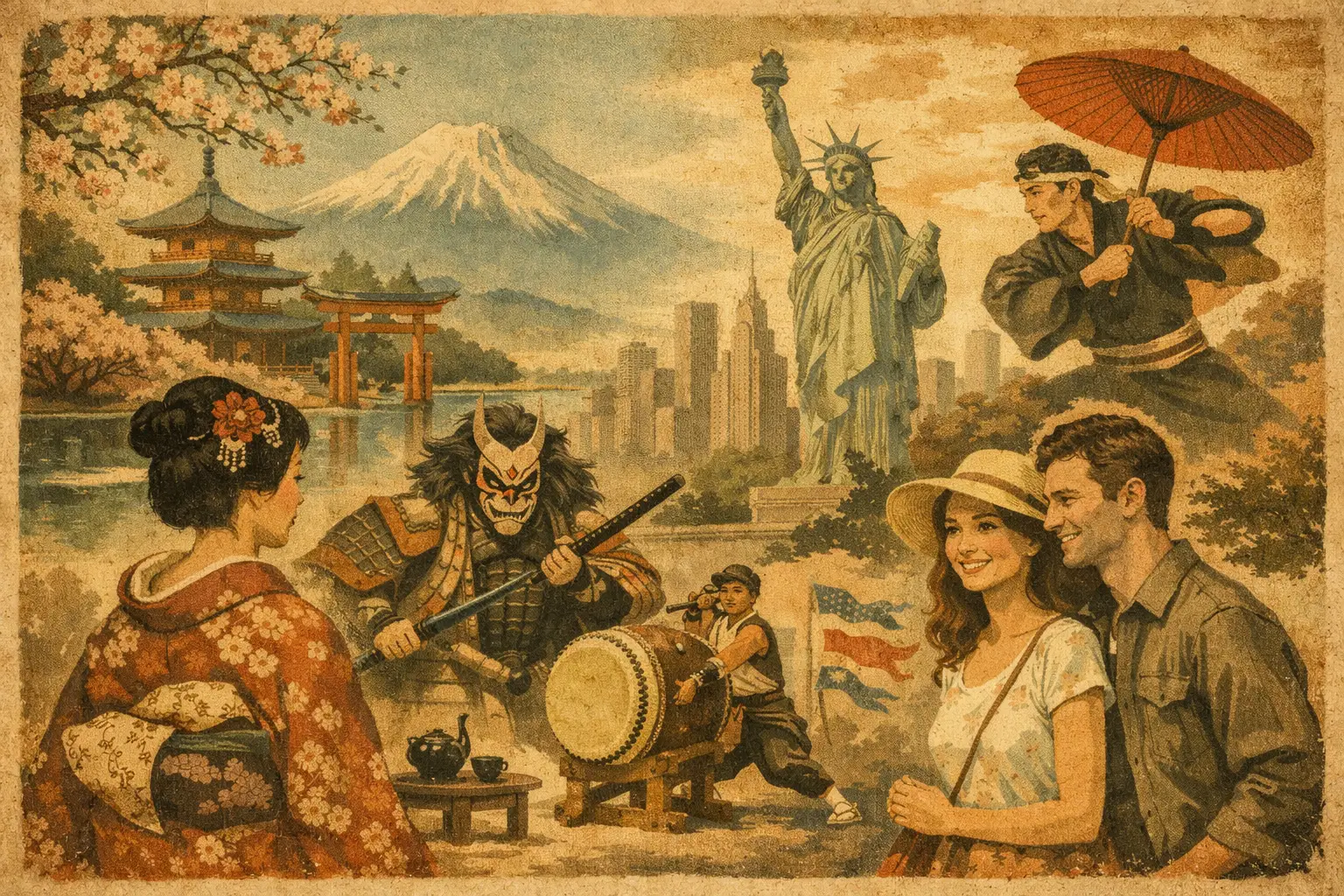
A spring weekend in America can suddenly smell like yakitori, sound like taiko, and look like a field of silk kimono moving through a botanic garden. That is the magic of japanese cultural events usa fans keep chasing. For anyone who loves Japan beyond the usual pop culture shortcuts, these gatherings offer something richer – texture, ritual, craftsmanship, food, and that quiet feeling of connection that is hard to get from a screen.
If you are the kind of person who gets excited by tea ceremony, calligraphy, temple-inspired gardens, regional food, lanterns, or the beauty of wabi sabi in handmade objects, the US event scene has more to offer than many people realize. The challenge is not whether events exist. It is knowing which ones feel authentic, what to expect when you arrive, and how to choose the experience that matches your version of Japan love.
Why japanese cultural events usa visitors seek feel so meaningful
Not every event gives you the same window into Japan. Some are large public festivals built around matsuri energy, food stalls, dance, and crowds. Others are much quieter, held in museums, Japanese gardens, cultural centers, or craft studios, where the focus is on one tradition at a time. Both matter.
A big summer festival can give you joyful community and a first taste of bon odori, taiko, and festival snacks. A smaller workshop on shodo or indigo dyeing can give you a deeper appreciation for process, patience, and the beauty of making something by hand. One is not better than the other. It depends on what you want that day – celebration, learning, or a bit of both.
For many people in the US, these events also fill an emotional gap. You may be planning a future trip to Japan. You may be studying the language. You may simply want a stronger connection to the culture in everyday life. Good events make Japan feel present, not distant. They create a small bridge between admiration and lived experience.
The main types of Japanese cultural events in the USA
The easiest mistake is assuming every Japanese event is basically the same. In reality, they usually fall into a few different categories, and understanding that helps you pick wisely.
Matsuri-style festivals
These are the most visible and often the most crowded. Expect outdoor booths, performances, food vendors, folk dance, drumming, and community organizations. They are lively, social, and often family-friendly. If you want atmosphere, this is where you get it.
The trade-off is depth. A large festival may introduce many traditions, but only briefly. You might watch a tea demonstration, hear music, and browse craft goods all in one afternoon, but you may not leave with a deeper understanding of any single art.
Garden and seasonal events
Japanese gardens across the US often host cherry blossom programs, moon-viewing evenings, autumn festivals, ikebana demonstrations, or tea-focused gatherings. These can be some of the most beautiful events because setting matters. A bamboo grove, koi pond, or carefully placed stone changes the mood immediately.
These programs tend to attract visitors who appreciate mono no aware – that tender awareness of passing seasons and fleeting beauty. If that part of Japanese culture speaks to you, garden events are often more rewarding than crowded street festivals.
Museum and cultural center programs
These events usually lean more educational, but that does not mean dry. A well-curated museum event can be one of the best places to experience ukiyoe exhibitions, textile talks, kimono history, tea utensils, ceramics, or regional craft traditions. Cultural centers often bring in guest artists for workshops and demonstrations.
This format is ideal if you want context. You are more likely to hear why an art form developed, how it is used, and what details to notice.
Hands-on workshops
For many Japan lovers, this is where the real joy begins. Workshops in origami, calligraphy, sashiko, kintsugi-inspired repair, lantern making, wagashi, or furoshiki wrapping turn appreciation into participation. Even a simple class can change the way you see an object.
The caution here is quality. Some workshops are rooted in real tradition and taught with care. Others are more casual craft sessions using Japanese aesthetics loosely. That can still be fun, but it helps to know which kind you are signing up for.
How to choose the right japanese cultural events usa has near you
Start with your own interests, not the event’s marketing. If your idea of Japanese culture is tied to food, ceramics, tea, shrines, gardens, or textile arts, then a giant festival with cosplay-adjacent energy may leave you cold. On the other hand, if you want a joyful first entry point, a major public festival can be perfect.
Look closely at who is organizing the event. Japanese cultural societies, Japanese American community groups, established gardens, museums, temples, and reputable cultural nonprofits often provide stronger programming than random general-interest fairs. That does not guarantee perfection, but it usually means more care has gone into the event.
It also helps to read the schedule, not just the headline. An event might advertise itself as a Japanese festival, but the actual program reveals whether it includes traditional dance, tea, folk craft, language activities, regional cuisine, or artist demonstrations. The schedule tells you whether the event is broad and festive or focused and intimate.
Geography matters too. Large metro areas such as Los Angeles, San Francisco, Seattle, Portland, Chicago, New York, Honolulu, and Washington, DC tend to have more frequent Japanese cultural programming. But smaller cities should not be ignored. Many hidden gems happen through botanical gardens, college Japan programs, Buddhist temples, and local sister-city associations.
What makes an event feel authentic
Authenticity is a loaded word, and it can be overused. A Japanese cultural event in the US does not need to copy Japan perfectly to be meaningful. Community adaptation is part of the story, especially in Japanese American spaces. Still, there are signs that an event is grounded rather than superficial.
One sign is respect for tradition without turning everything into a performance prop. Another is the presence of practitioners who can explain not just what they do, but why it matters. A kimono demonstration feels different when the presenter discusses seasonality, fabric, formality, and the lived culture around dressing, not just how pretty it looks.
Food is another clue. A thoughtful event does not treat Japanese cuisine as one flat category. It gives space to regional dishes, seasonal ingredients, and everyday foods alongside festival favorites. The same goes for crafts. Handmade paper, woodblock aesthetics, ceramics, and textile techniques carry stories. Good events let those stories breathe.
And yes, atmosphere matters. Authenticity is not only factual. Sometimes it lives in pacing, courtesy, detail, and the feeling that people are sharing something they genuinely care about.
How to get more from the experience
Go a little slower than you think you should. Many people rush from booth to booth trying to see everything. That usually leads to a blur. Pick two or three things to focus on – maybe a tea session, a craft demo, and one performance – and let the day unfold around them.
Ask questions, especially in smaller settings. Artists, volunteers, and cultural presenters often love speaking with visitors who are sincerely curious. You do not need expert knowledge. Interest and respect go a long way.
If there is a workshop, take it. Watching is enjoyable, but making creates memory. Folding paper, grinding ink, tasting wagashi with matcha, or learning the meaning behind a seasonal flower arrangement gives you a stronger connection than passive browsing.
It is also worth noticing the emotional tone of an event. Some are exuberant and communal. Others feel contemplative, almost meditative. Both belong to the larger picture of Japan. One reflects matsuri joy. Another may hint at wabi sabi, restraint, or the quiet depth that draws so many of us in the first place.
A growing community for all Japan lovers worldwide
One of the best things about Japanese cultural events in the US is that they gather people who care. Not casually, not just for a photo, but with real affection for the culture. You see it in the person who has studied tea for years, the traveler planning a first visit to Kyoto, the ceramics fan examining glaze textures, and the newcomer tasting mochi with total delight.
That shared energy matters. It turns events into community spaces, not just calendar listings. It also makes it easier to keep exploring. Once you attend one good event, you start noticing the network behind it – artists, cultural groups, gardens, workshops, and local organizers. For a platform like Crazy for Japan, that spirit of connection is exactly the point.
The best approach is to stay curious and a little selective. You do not need to attend everything. You just need to find the events that bring you closer to the Japan you care about most, whether that is tea, temples, textiles, food, or old craft traditions carried into the present. When you find those spaces, even for one afternoon, Japan feels a lot less far away.