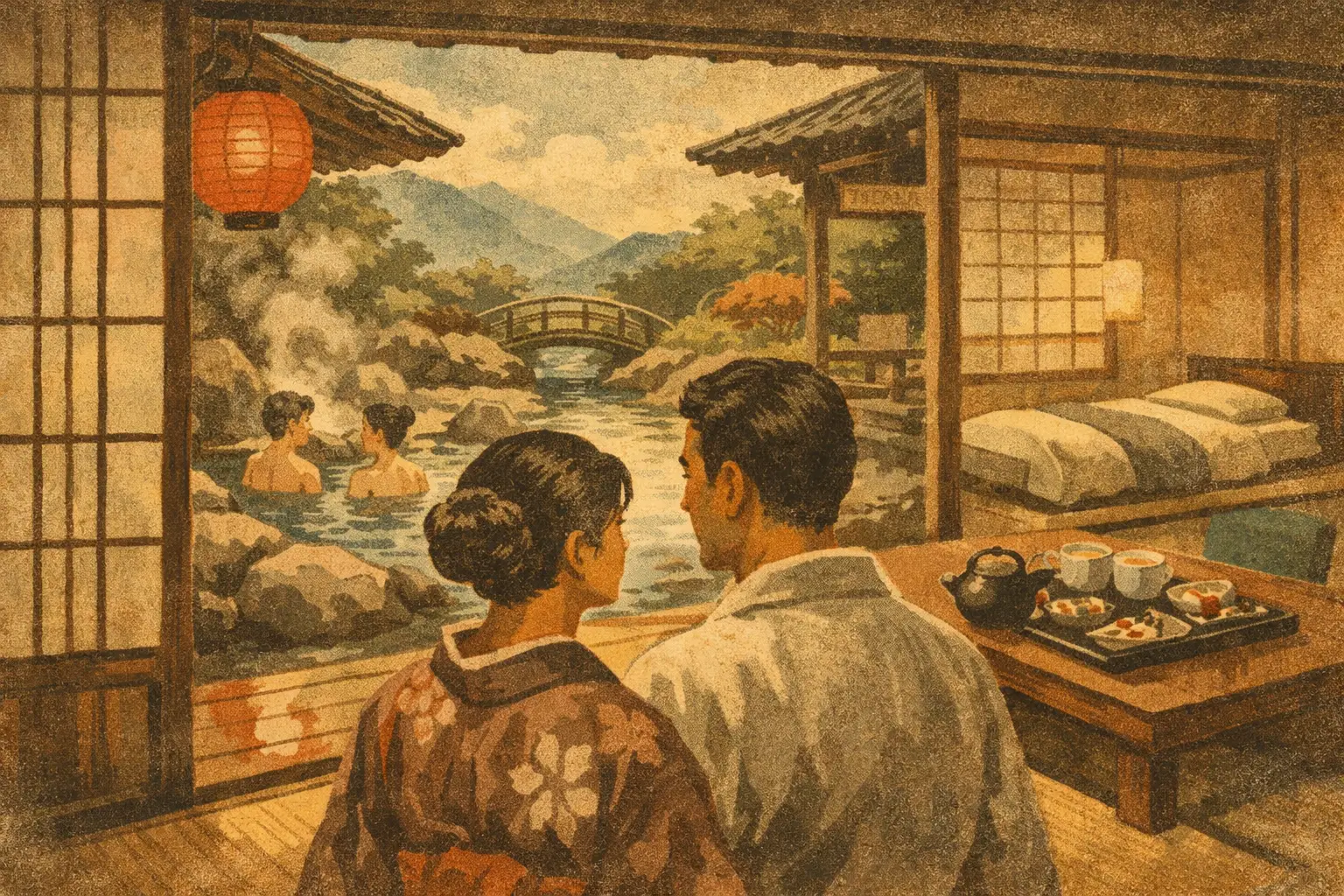
You notice it before you even sit down – the quiet. Not hotel quiet with elevator chimes and hallway doors, but a softer kind of stillness. Shoes come off at the entrance, slippers appear, someone leads you across tatami, and suddenly your trip to Japan feels less like sightseeing and more like stepping into another rhythm. That is the heart of any honest ryokan experience review: a ryokan is not just a place to sleep. It is a small world with its own pace, etiquette, and mood.
For all Japan lovers worldwide, this is exactly why ryokan stays inspire so much curiosity. They promise something more intimate than a standard hotel and more rooted in Japanese aesthetics than most modern accommodations can offer. But they are not for everyone, not on every trip, and not at every price point. The real question is not whether ryokan are good. It is whether the experience matches what you want from Japan.
What a ryokan experience review should tell you
A lot of travel writing treats ryokan like a magical checkbox. Stay one night, wear a yukata, eat a beautiful dinner, done. That misses the point. A proper ryokan experience review should tell you that the best part is often the atmosphere between the obvious highlights.
Yes, there is usually tatami flooring, futon bedding, low tables, and carefully prepared kaiseki-style meals. Yes, there may be an onsen bath, a garden, sliding shoji screens, and seasonal sweets waiting in your room. But what stays with many travelers is something harder to photograph. It is the feeling of being gently guided into a more attentive way of living for a night.
A ryokan asks you to slow down. You arrive earlier than you might for a city hotel because dinner may be served at a set time. You notice the scent of straw tatami, the texture of ceramic tableware, the view of rain on stones in a courtyard. There is a kind of mono no aware in it – that awareness of passing beauty that feels especially strong when the whole stay is built around small, temporary moments.
What actually happens during a ryokan stay
The flow is usually simple, but it can feel unfamiliar if you have only stayed in Western-style hotels. After check-in, you will remove your shoes and often change into a yukata. Staff may explain meal times, bath hours, and room features. If dinner is included, it is often a major part of the stay rather than an add-on.
In many ryokan, your room serves multiple purposes. During the day it is a sitting room. In the evening, staff may lay out your futon bedding. That shift is part of the charm, though it also means less privacy and less freedom to sprawl your luggage everywhere.
The bathing culture is another big piece. If the ryokan has an onsen or communal bath, there is etiquette to follow. You wash thoroughly before entering the bath and soak without swimwear. For some international travelers, this becomes the highlight of the entire trip. For others, especially people who are shy about public bathing or have visible tattoos, it can be stressful unless the property offers private baths.
Dinner can be extraordinary, but it also depends on your tastes. A traditional meal may include many small seasonal dishes with seafood, mountain vegetables, pickles, simmered items, and textures you may not be used to. If you love Japanese food beyond sushi rolls and ramen, this can feel like a dream. If you are a picky eater, vegetarian, or traveling with dietary restrictions, you need to check details carefully before booking.
The best part of the ryokan experience
The best ryokan do not feel flashy. They feel considered. That is where wabi sabi comes in – beauty in restraint, irregularity, and age. A slightly weathered wooden hallway, a hand-thrown tea cup, a garden that looks quiet rather than dramatic – these details can make a stay feel deeply Japanese in a way that luxury branding cannot fake.
That is also why ryokan often appeal most to travelers who already love Japanese culture, traditional crafts, tea, bathing rituals, and seasonal food. If you are the kind of traveler who gets excited about indigo dyeing, temple lodgings, kutani ware, or watching steam rise off a rotenburo at dusk, a ryokan can feel less like accommodation and more like cultural participation.
There is also an emotional layer. Ryokan hospitality often feels personal without becoming casual. Staff may be warm, attentive, and quietly observant. The service can seem formal at first, but the effect is comforting. You are being looked after in a way that feels ceremonial, almost like the stay itself has been composed.
Where a ryokan experience can disappoint
This is where honesty matters. A ryokan can be wonderful, but it can also be awkward if your expectations are off.
First, comfort is subjective. Futons range from surprisingly cozy to noticeably firm. Tatami rooms are beautiful, but they are not always ideal if you have mobility issues, back pain, or a strong preference for plush bedding and couches. Bathrooms may be compact, especially in older properties.
Second, the schedule can feel restrictive. Dinner is often at a fixed hour. Some ryokan are best enjoyed by arriving mid-afternoon, bathing before dinner, and settling in early. If you prefer spontaneous evenings, nightlife, or long days out, you may feel like you are paying for an experience you are barely using.
Third, not every ryokan is equally authentic or equally polished. Some are lovingly maintained family-run places with deep character. Others feel tired, overly touristic, or trapped between tradition and convenience. A luxury ryokan in Hakone will not feel the same as a modest country inn in rural Kyushu, and neither is automatically better. It depends on what kind of atmosphere you want.
Finally, there is the price. Ryokan often cost much more than business hotels, especially with meals included. Sometimes the value is absolutely there. Sometimes you are paying for location, private baths, or prestige more than the overall quality of the stay. A ryokan night can be one of the most memorable parts of a Japan trip, but it should not consume your budget so completely that the rest of the trip becomes stressful.
Ryokan experience review for first-time visitors
If this is your first Japan trip, one ryokan stay is usually enough to give you the feeling without overcommitting. Two nights can be lovely if the property is in an onsen town or scenic rural area, but one well-chosen night often delivers the magic.
Location matters a lot. In places like Hakone, Kinosaki Onsen, Nikko, or regions along historic routes, a ryokan makes emotional sense because the setting supports the mood. In the middle of a packed city itinerary, a ryokan can still be enjoyable, but it may feel more like a cultural interlude than a full immersion.
It also helps to know your own travel personality. If you like rituals, quiet mornings, seasonal meals, and beautiful design details, you will probably love it. If you mainly want a convenient base for shopping, nightlife, or late-night city wandering, a modern hotel may suit you better.
One smart approach is to pair your trip styles. Stay in efficient hotels in Tokyo or Osaka, then book one ryokan night in a slower destination. That contrast makes the ryokan feel even more special.
Is the ryokan experience worth it?
For many travelers, yes – but not because it is luxurious in the usual sense. It is worth it when you want contact with the cultural texture of Japan, not just access to attractions. A ryokan can bring together architecture, hospitality, bathing, food, and seasonality in one compact experience. It is immersive in a way few accommodations are.
But worth it does not mean mandatory. Japan has fantastic hotels, guesthouses, and temple stays, and not every Japan lover needs to force a ryokan night into the itinerary. If you are traveling on a tight budget, have complicated dietary needs, or know you dislike set meal times and floor bedding, skipping it is not a failure. It is just good planning.
If you do choose one, go in with curiosity instead of fantasy. Do not expect a movie set version of old Japan. Expect a living tradition that can be elegant, awkward, peaceful, formal, delicious, and slightly unfamiliar all at once. That mix is part of the appeal.
For readers of Crazy for Japan, the ryokan experience sits in the same category as onsen culture, tea ceremony, or handcrafted ceramics – it is not only about seeing something Japanese, but about letting it shape your pace for a little while. And that is when a stay becomes memorable.
If Japan is already part of your heart, a ryokan is one of the rare travel experiences that can make that connection feel tangible. Choose carefully, arrive early, and give yourself enough quiet to notice what the stay is trying to show you.