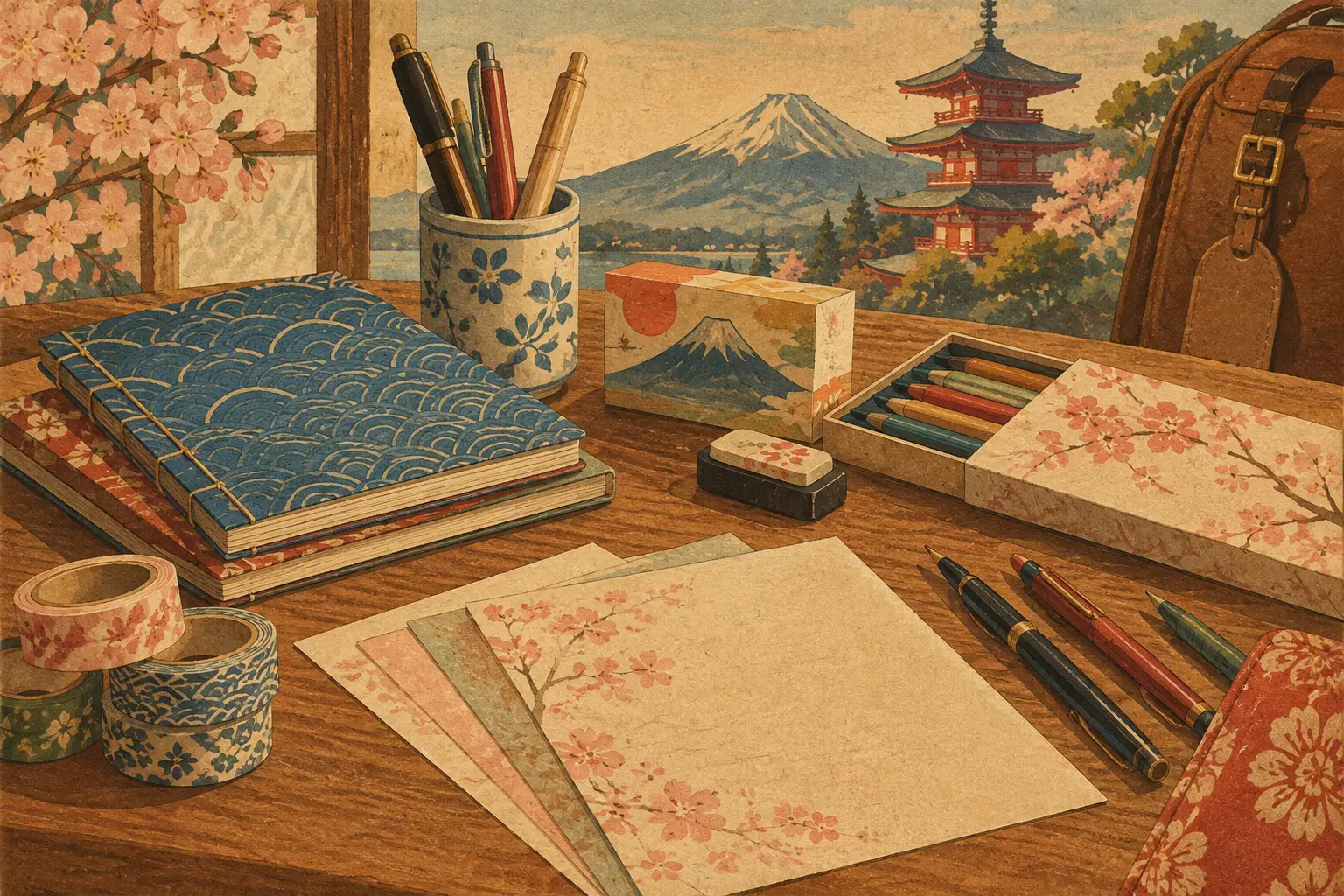
A sheet of beautifully textured paper can change the way you write a thank-you note. A pen that glides instead of scratches can make a study session feel less like a chore. That is the quiet magic of Japanese stationery: everyday objects made with enough care that using them becomes a small ritual.
For Japan lovers worldwide, stationery is also one of the easiest cultural treasures to bring into daily life. It travels well, comes in every price range, and connects you to traditions of paper, calligraphy, seasonal design, and thoughtful gift-giving. You do not need to be an artist or a serious collector to appreciate it. You only need a reason to write, plan, wrap, sketch, or send a note to someone you love.
Why Japanese stationery feels different
Japan has a long relationship with paper that reaches far beyond the office supply aisle. Washi, traditional Japanese paper, has been made from plant fibers for centuries and is valued for its strength, warmth, and subtle texture. It appears in shoji screens, lanterns, printmaking, letter paper, and countless small paper goods.
That history is part of why even a modest notebook or envelope can feel considered. Japanese makers often pay close attention to the experience of use: how a page accepts ink, whether a notebook opens flat, how a cap clicks onto a pen, or how a label peels away cleanly. These are not dramatic features, but they add up.
There is also an affection for seasonality. You may find stationery decorated with plum blossoms in late winter, hydrangeas during the rainy season, gold leaves in autumn, or snow-covered temples near the new year. The feeling is close to mono no aware, an appreciation of fleeting moments. A letter written on spring-themed paper is not just a letter. It is a tiny record of when it was written.
Japanese stationery to look for in Japan
The best finds depend on how you actually use paper goods. It can be tempting to buy every charming item in sight, especially when a shop is filled with cats, cranes, sakura, and ukiyoe-inspired patterns. Start with the pieces you will enjoy opening, holding, and using after the trip.
Pens that make writing feel easier
Japanese gel pens are beloved for good reason. Their ink tends to be crisp, deeply colored, and dependable for notes, planners, and journaling. Fine tips are especially common, which suits compact Japanese handwriting but also helps anyone who likes tidy details.
Fountain pens are another joy, from affordable beginner models to serious collector pieces. If you are new to them, do not assume the most expensive pen is the right choice. A lightweight pen with a medium nib may be more comfortable for everyday writing than a beautiful but heavy model. Check whether it uses cartridges, converters, or a proprietary refill system before buying extra ink.
Mechanical pencils deserve attention too. Japan makes excellent versions for students, architects, and sketchers, with features such as rotating lead, retractable tips, and comfortable grips. If you write for long stretches, test the grip rather than choosing only by appearance.
Notebooks made for ink lovers
A good Japanese notebook is not simply blank pages bound together. Many are designed around paper performance. Some minimize feathering with fountain pen ink; others offer a soft, toothy surface for pencil and watercolor. Some lie completely flat on a desk, which makes a real difference when you are writing across a two-page spread.
Paper weight alone does not tell the full story. Thin paper can still handle ink beautifully, while thick paper may feel less pleasant for everyday writing. If a shop has sample books, use them. Write a few words with your preferred pen and turn the page to check for bleed-through.
For travel memories, choose a notebook that fits your bag and does not intimidate you. A small notebook filled with ticket stubs, temple stamps, quick observations, and a few lines about the meal you had in Kyoto is more meaningful than a large blank journal waiting for perfect prose.
Washi tape, stickers, and small paper pleasures
Washi tape is one of the most approachable Japanese stationery purchases. Made with a paper-based tape, it tears easily by hand and adds instant character to letters, gift wrapping, journals, and photo albums. It can be removed more gently than many plastic tapes, though delicate paper still deserves care.
Look beyond familiar floral designs. You may find patterns inspired by traditional textiles, woodblock prints, local foods, lucky charms, or regional scenery. A roll featuring a favorite city can become a small souvenir that you actually use instead of storing in a drawer.
Stickers, stamps, message cards, and letter sets are equally tempting. The trade-off is storage. Buy a few designs that suit your real habits rather than a stack you feel too precious to open. Stationery is made to participate in life.
Where the most memorable finds tend to be
Large stationery stores are wonderful for range. They let you compare pens, test notebooks, and browse shelves organized by purpose, color, or season. Department store stationery floors can be especially good for refined letter paper, fountain pens, and elegant gifts.
But do not overlook smaller places. Museum shops often carry paper goods related to exhibitions, Japanese art, or local crafts. Temple and shrine areas may have beautifully designed goshuincho, books created to hold calligraphy seals collected during visits. These are meaningful purchases if you plan to visit several sacred places, but they are not ordinary notebooks. Treat them respectfully and keep them for their intended purpose.
Regional craft shops can offer papers and patterns that feel less mass-produced. In areas known for washi, you may even find handmade sheets with visible fibers, pressed flowers, or uneven edges. Their irregular beauty speaks to wabi sabi: the appeal of things that are natural, imperfect, and quietly individual.
A smarter way to shop for Japanese stationery
Before a shopping day, give yourself a small mission. Maybe you want one excellent pen, a travel notebook, paper for correspondence, and a few gifts. That framework keeps the experience fun without turning your suitcase into a paper archive.
Pay attention to refills. A pen purchased in Japan may be easy to replace locally but harder to maintain at home, particularly if it uses a specific cartridge style. If you love it, buy a few refills while you are there. The same goes for unusual pencil lead sizes and specialty inks.
For paper goods, think about climate and packing. Handmade washi can wrinkle if crushed in a packed bag, so slide flat sheets and letter sets into a document folder. Fountain pen ink bottles should go in checked luggage only, padded and sealed inside a bag. If you are carrying a fountain pen on a flight, empty it or keep it full to reduce the chance of leakage caused by cabin pressure changes.
Gifts are easy to personalize. A quality notebook works for a student, a writer, or a colleague. Decorative tape and stickers suit a friend who enjoys crafts. For someone who practices Japanese calligraphy, choose brush pens or calligraphy paper only after checking what style they use. The thoughtful choice is not always the most ornate one.
Bring the ritual home
The real pleasure begins after the trip. Use your Japanese notebook for a weekly tea journal, language practice, recipe notes, or memories from visits to local Japanese gardens and cultural events. Save beautiful paper for messages that deserve more than a quick text. Wrap a birthday gift with washi tape and a handwritten tag.
Do not wait for a special occasion to use the good pen. Let it make grocery lists, work notes, and quiet Sunday plans feel a little more intentional. A favorite piece of Japanese stationery is a small invitation to slow down, notice the details, and put something sincere into the world.